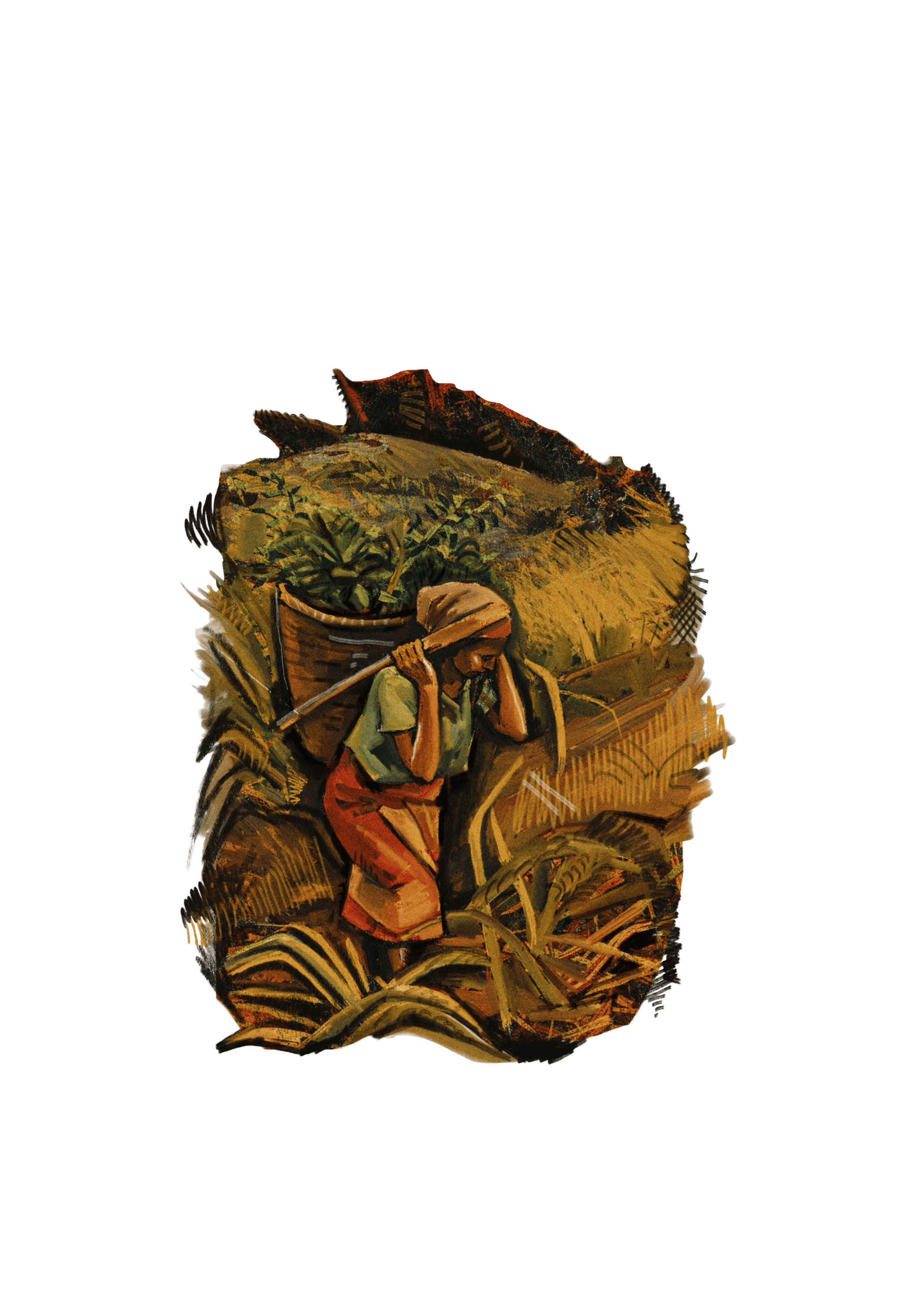
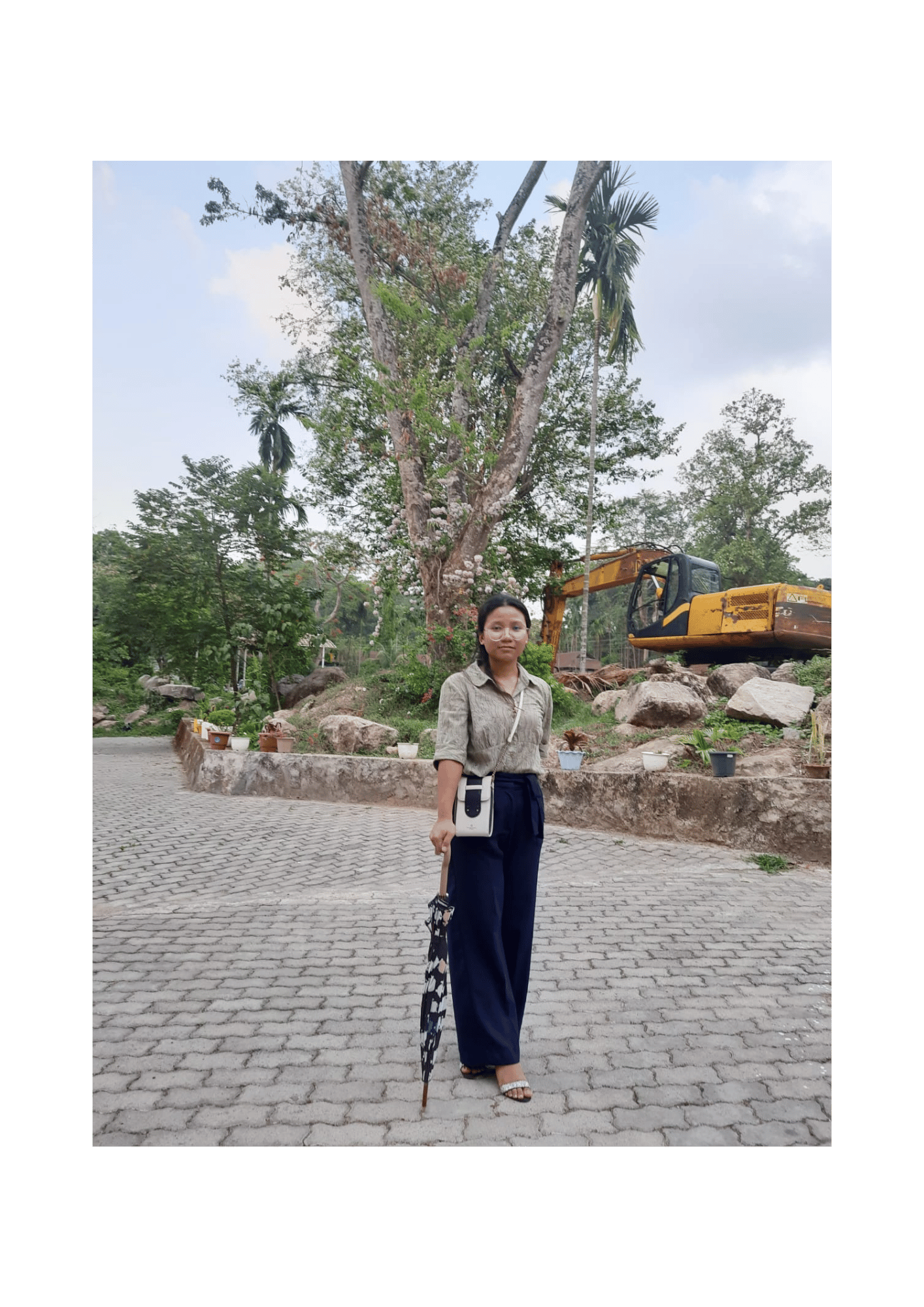
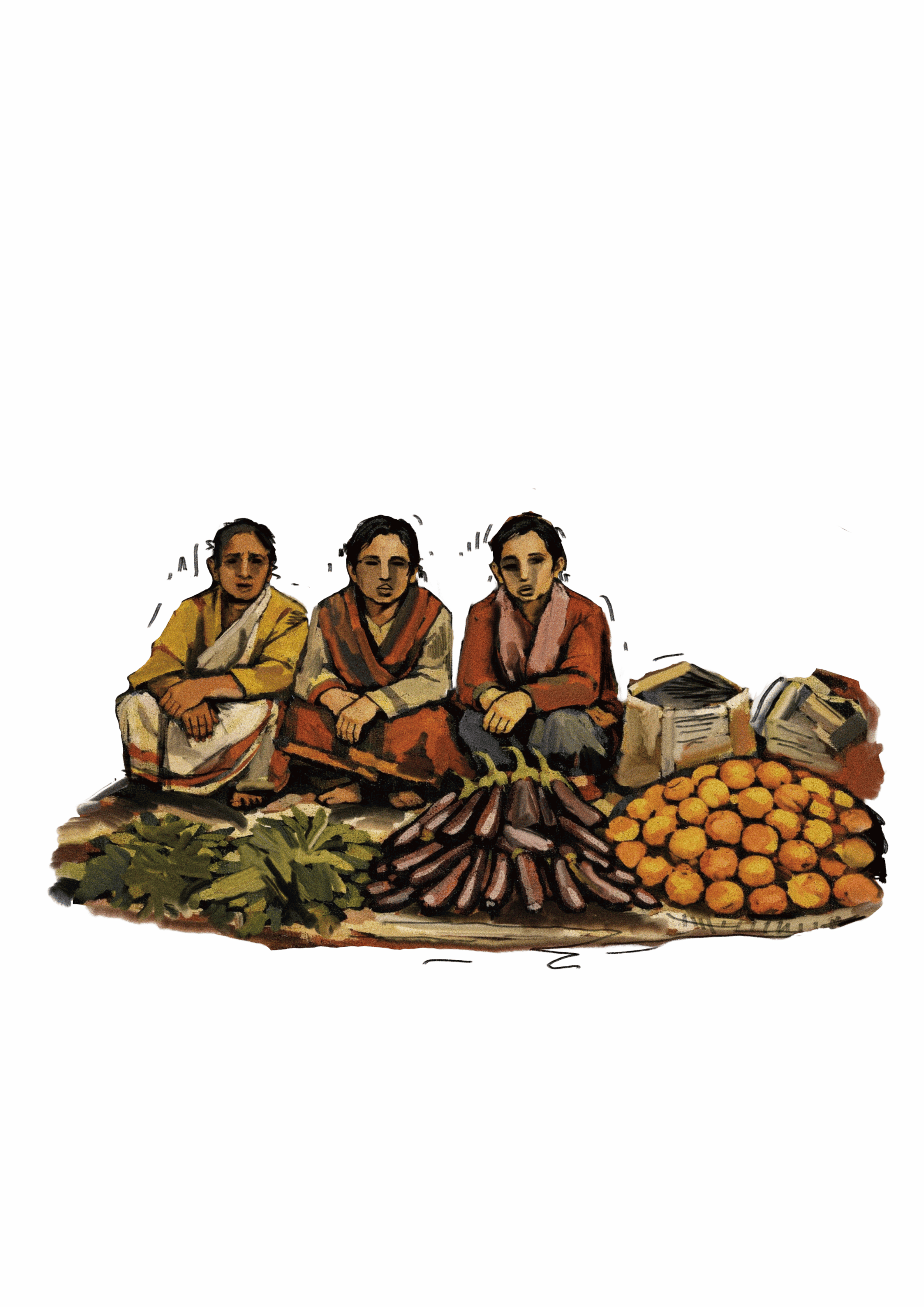
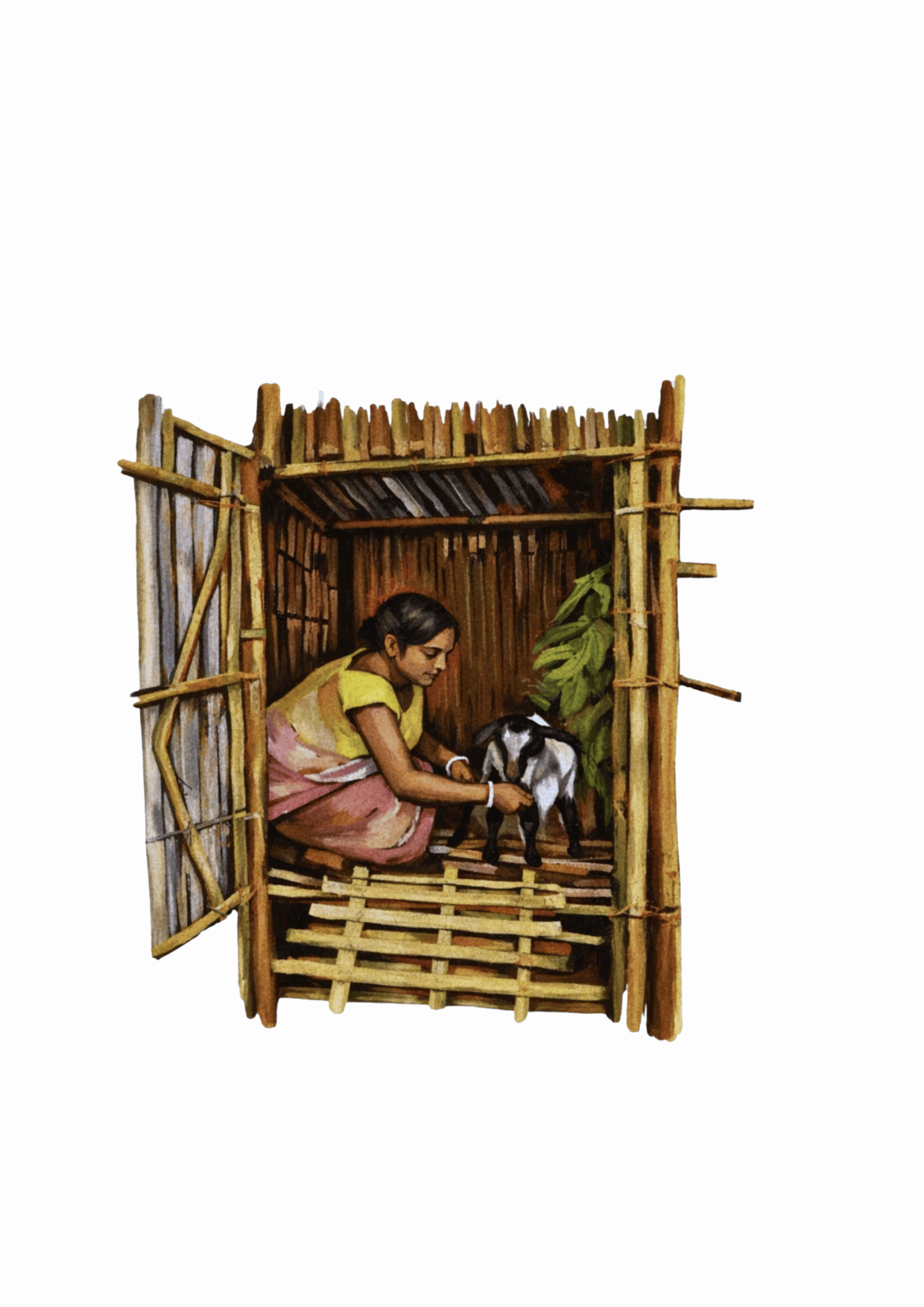
In the quiet, rolling landscape of North Garo Hills, hope often grows slowly- sometimes as slow as a sapling taking root in a harsh soil. Our carbon-sequestration plantation project began with that same fragile hope. What followed was a journey shaped by resistance, uncertainty, and constant change- but ultimately, a journey defined by resilience.
When we first reached out to communities, many farmers were unsure or hesitant. Some carried misconceptions, others feared losing land or control, and a few withdrew even after long conversations and reassurance. Connectivity challenges made communication harder, and every visit to remote villages became a test of commitment.
Midway through the project, species selection changed- forcing the team to remobilize farmers, re-explain choices, and rebuild confidence from scratch. The shift brought new frustrations and fresh rounds of resistance. Several farmers who had initially agreed later stepped back, leaving gaps in our plans and our expectations. Yet, every time the project faltered, the team stood a little taller and pushed forward.
Even as the monsoon arrived early this year, the plantation could not begin on time. Internal challenges, coordination delays, and field-level issues pushed the planting schedule much later than planned. Yet, once the groundwork was set, the team moved quickly and decisively.
We mapped 1,000 hectares, and after QC review, 600 hectares were confirmed suitable for plantation which decreased to less than 500 Hectares after the drop out. Against the constraints of weather, terrain, and time, the team managed to plant 800,000 saplings in 350 hectares of land, each one a small promise for the future of these hills.
These saplings represent not only carbon captured in the years ahead, but also a community strengthened through dialogue, patience, and persistence. What began as a difficult assignment has grown into a meaningful contribution to landscape restoration and long-term climate resilience.
Kharkutta’s green canopy is still young, but hope has begun to take root- quietly, steadily, and powerfully. And in the years to come, these hills will carry both shade and story: one of resilience, partnership, and the determination to create a climate-secure future.
Hope now stands rooted in the hills- quietly growing in the form of 800,000 young plants and the collective effort that made them possible.