In India, nearly one in every hundred children is on the autism spectrum — though most are never diagnosed. Behind each of those children stands a caregiver, often a mother, fighting battles that no one else sees.
Rupa Das is one of them.
By the time her son Rudra turned three, her world had collapsed into noise. He screamed for hours, sometimes hitting his head against the wall. He wouldn’t sleep, wouldn’t eat, wouldn’t let her touch him. He didn’t know her face.
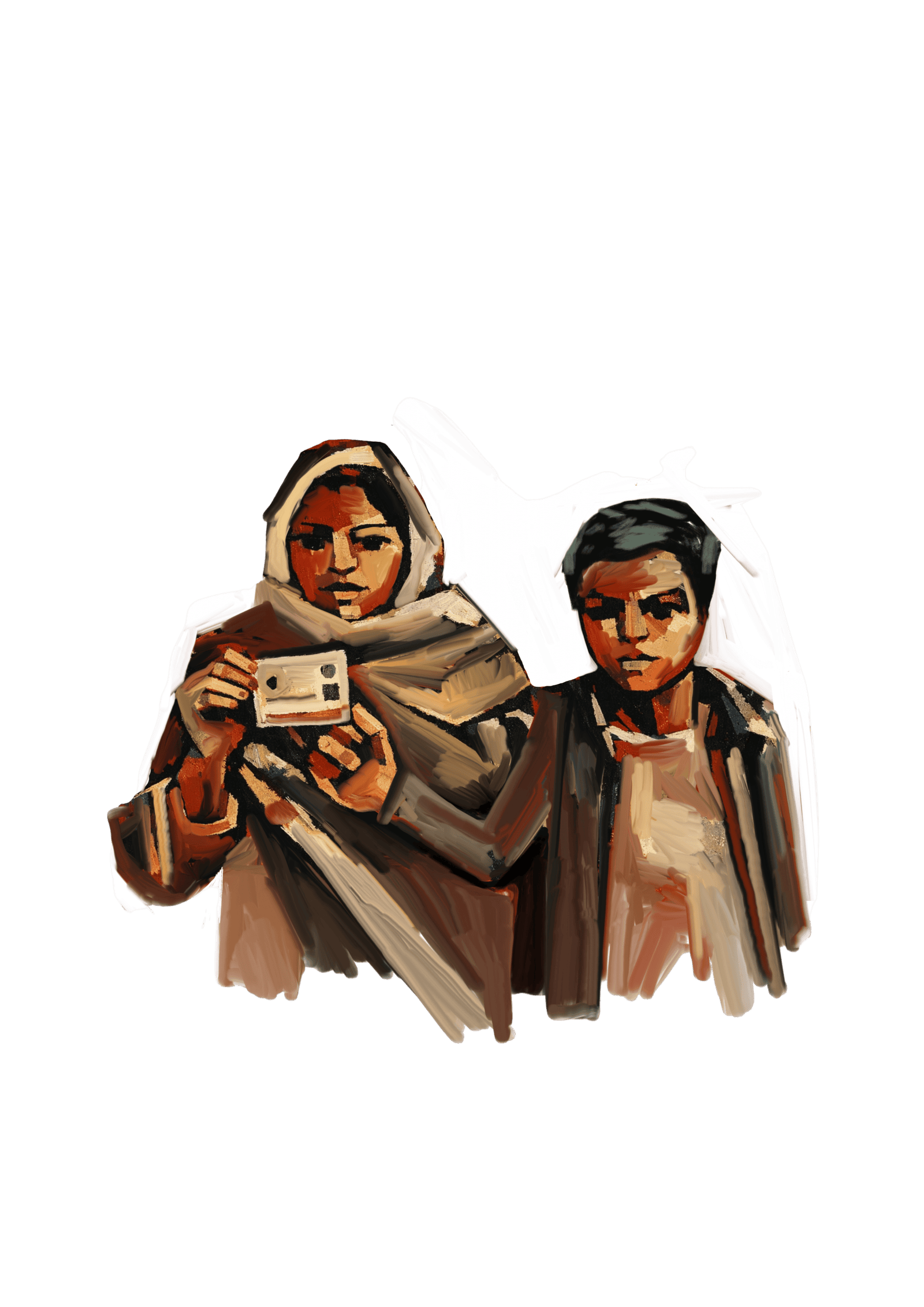
She tried everything — and everyone had advice. One neighbour said he was possessed and told her to take him to the temple on Tuesdays. A relative insisted it was an “evil eye” and tied black threads around his wrists. The local doctor ordered blood tests, hearing tests, sleep tests — every test except the one that could tell her what was really happening. When the report finally came back with a strange word — autism — no one could explain it. “He’ll grow out of it,” one person said. “You spoiled him,” said another. Rupa looked at the paper in her hand, covered in English she couldn’t read, and felt smaller than she’d ever felt in her life.
Then, at a bus stop, she overheard someone mention Projonmo. A place in Beltola that worked with children who couldn’t be reached the usual way.
That visit changed everything.
At Projonmo, a therapist sat on the floor beside Rudra, letting him scream. No one told him to stop. “We’ll start with what he can manage,” they said.
Week by week, she learned. She learned that Rudra wasn’t defiant — he was overwhelmed. That his body didn’t filter sound and light the way others did. She learned to press his arms gently when he hit himself, to turn the chaos of feeding into rhythm, to breathe before reacting.
Change came slowly, and then all at once.
One evening, Rudra reached for her hand. Later, he smiled at his reflection. He even slept through a night. Each of these moments — small, private, miraculous — became the heartbeat of her days.
Now, Rudra is four. He laughs when he hears rain on the tin roof, uses his name as a verb, adjective and preposition, and sometimes sits on his mother’s lap without fear.
Projonmo helps hundreds of families like Rupa’s every year — offering therapy, parent training, and low-cost services across Assam. For families earning less than ₹15,000 a month, this support can mean the difference between despair and progress.
But the real work still happens at home, between one mother and one child, in the long quiet hours after therapy ends.
Rupa doesn’t call herself brave. She says she’s just learning, slowly, to meet her son where he is.
And maybe that’s what real heroism looks like — showing up again and again, until the world starts to make sense to someone you love.
For Projonmo, it’s a privilege to walk beside her.