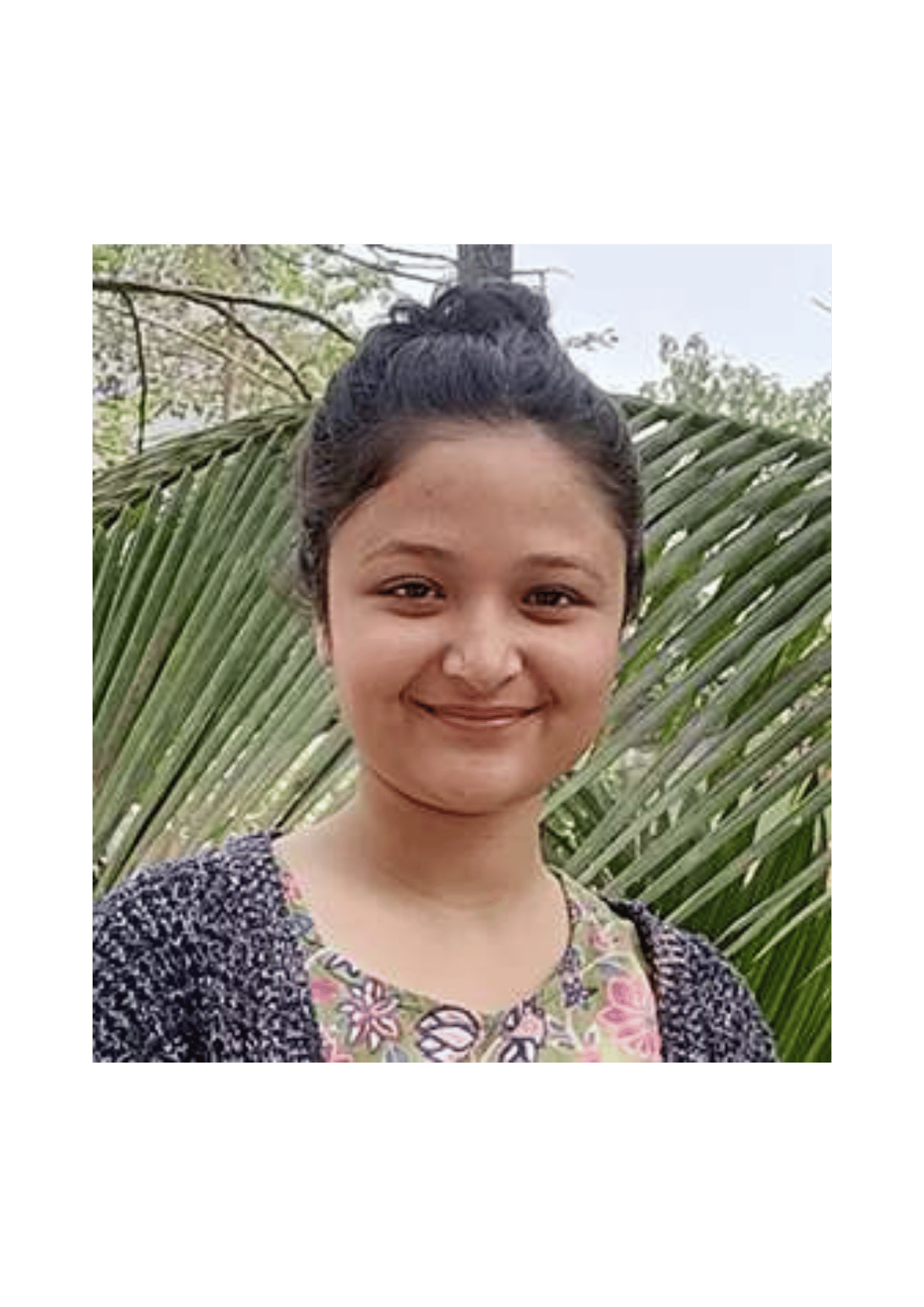
Farida Khatun lives in Putlartari, a small village in the Pakabetbari block of Assam’s Barpeta district, surrounded by vast stretches of paddy fields and close-knit rural communities. Her story reflects the lived realities of many rural women- marked by responsibility, resilience, and aspirations that often remain unheard.
Married at the age of 16, Farida entered adulthood early, taking on domestic responsibilities that left little space for personal ambition. Growing up, she had watched her mother balance household work with agricultural labour, supporting a family of four daughters with limited resources. These experiences quietly shaped Farida’s understanding of hard work and sacrifice, while also nurturing a deep but unspoken desire for financial independence and self-identity.
For many years, life followed a familiar rhythm. Farida supported her household while her husband worked as a wage labourer in the city. The family’s modest income met basic needs, but left little room for security or growth. This fragile balance was disrupted when her husband met with an accident that left him unable to continue working. The sudden loss of income exposed the family to economic vulnerability and uncertainty.
Faced with this challenge, Farida made a decisive choice- to contribute directly to her family’s livelihood. During a Self-Help Group (SHG) meeting, she learned about poultry hatching units as a potential income-generating activity. Though she had no prior experience, the idea stayed with her. Motivated by determination, Farida independently researched the process and built a low-cost incubator at home using locally available materials such as thermocol boxes and electric bulbs.
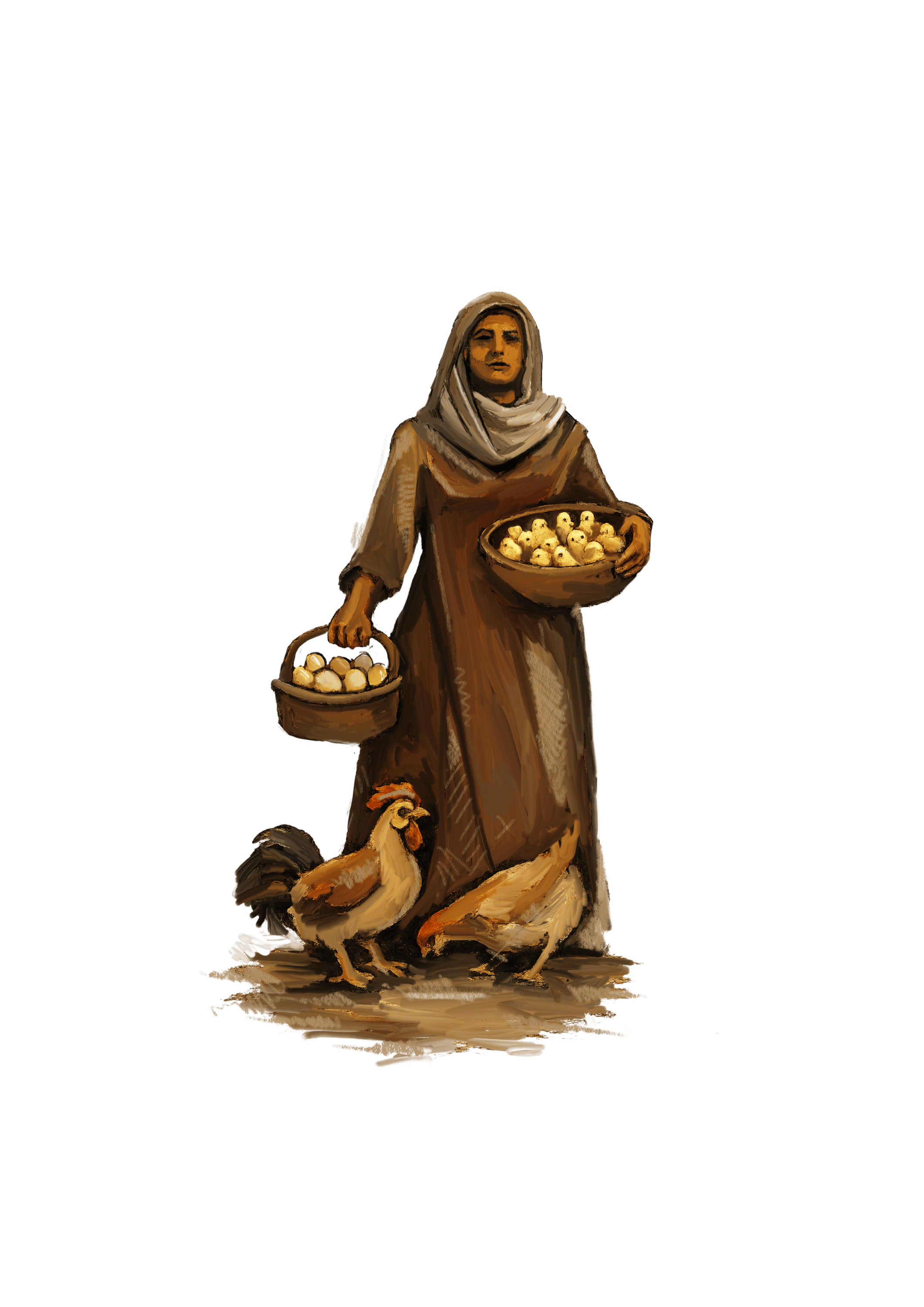
Her first attempt was met with anticipation and uncertainty. After 18 days, her efforts were rewarded with the successful hatching of 150 chicks. Selling them locally, Farida earned ₹5,000- her first independent income. This milestone marked more than financial gain; it became a turning point in her confidence and sense of agency.
Seeking to improve and expand her initiative, Farida connected with SeSTA, the organisation through which she had first heard about hatching units. With structured training and technical guidance, she strengthened her enterprise by learning best practices in incubation, chick health management, vaccination schedules, feed quality, and market linkages. These inputs enabled her to scale her operations systematically and sustainably.
Today, Farida owns seven machine-based incubators and supplies healthy chicks to farmers across her village, nearby blocks, and neighbouring districts. She earns close to ₹1 lakh per month, ensuring financial stability for her family. Beyond income, she has emerged as a confident entrepreneur and a trusted resource person within her community, often guiding others interested in starting similar enterprises.
Farida’s journey highlights the transformative impact of skill development, institutional support, and women’s entrepreneurship. It demonstrates how access to knowledge and timely handholding can enable rural women to move from vulnerability to leadership- building resilient livelihoods and contributing meaningfully to local economies.