Introduction
Picture a community health worker in a village several hours from the nearest town. She records a patient's symptoms on a mobile app that flags possible diagnoses she might otherwise miss. A few states away, a farmer gets a voice message in his own language warning him about weather conditions before they damage his crop. In a rural classroom with thin walls and thinner resources, a teacher uses a digital platform that quietly tracks which students are falling behind.
These aren't pilot project brochures. They're things happening, unevenly and imperfectly, across the development landscape in India right now.
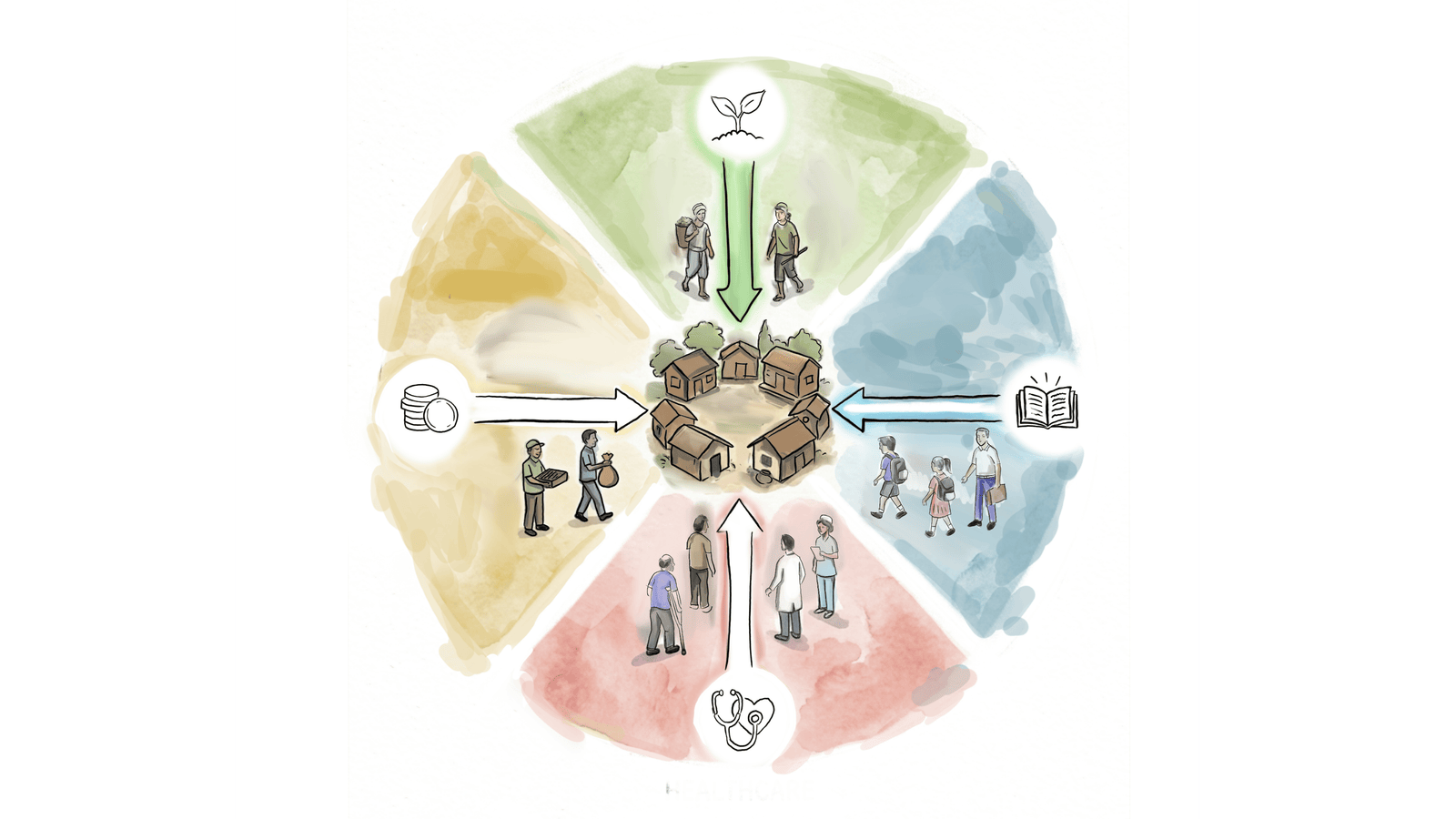
AI has moved well beyond research labs and tech companies. It's being tested, sometimes thoughtfully and sometimes hastily, as a tool to strengthen governance and push services further toward communities that have historically been the hardest to reach. The "last mile" problem is, in many ways, the defining challenge of development work: how do you actually get things to the people who need them most, when distance, infrastructure, literacy, and trust all conspire against you?
India's own context makes this feel urgent. Close to 42 percent of the workforce is employed in agriculture, yet smallholder farmers routinely face climate shocks, information deserts, and market volatility with very little support. The gap between what's available in policy and what actually lands in a farmer's hands is enormous. That gap is precisely where AI has started showing up, not as a silver bullet, but as something worth taking seriously.
The path isn't clean. Connectivity is patchy. Smartphone access is uneven. Digital literacy in many rural communities is still nascent. Any honest look at AI in development has to hold both the promise and the friction at the same time.
Strengthening Frontline Service Delivery
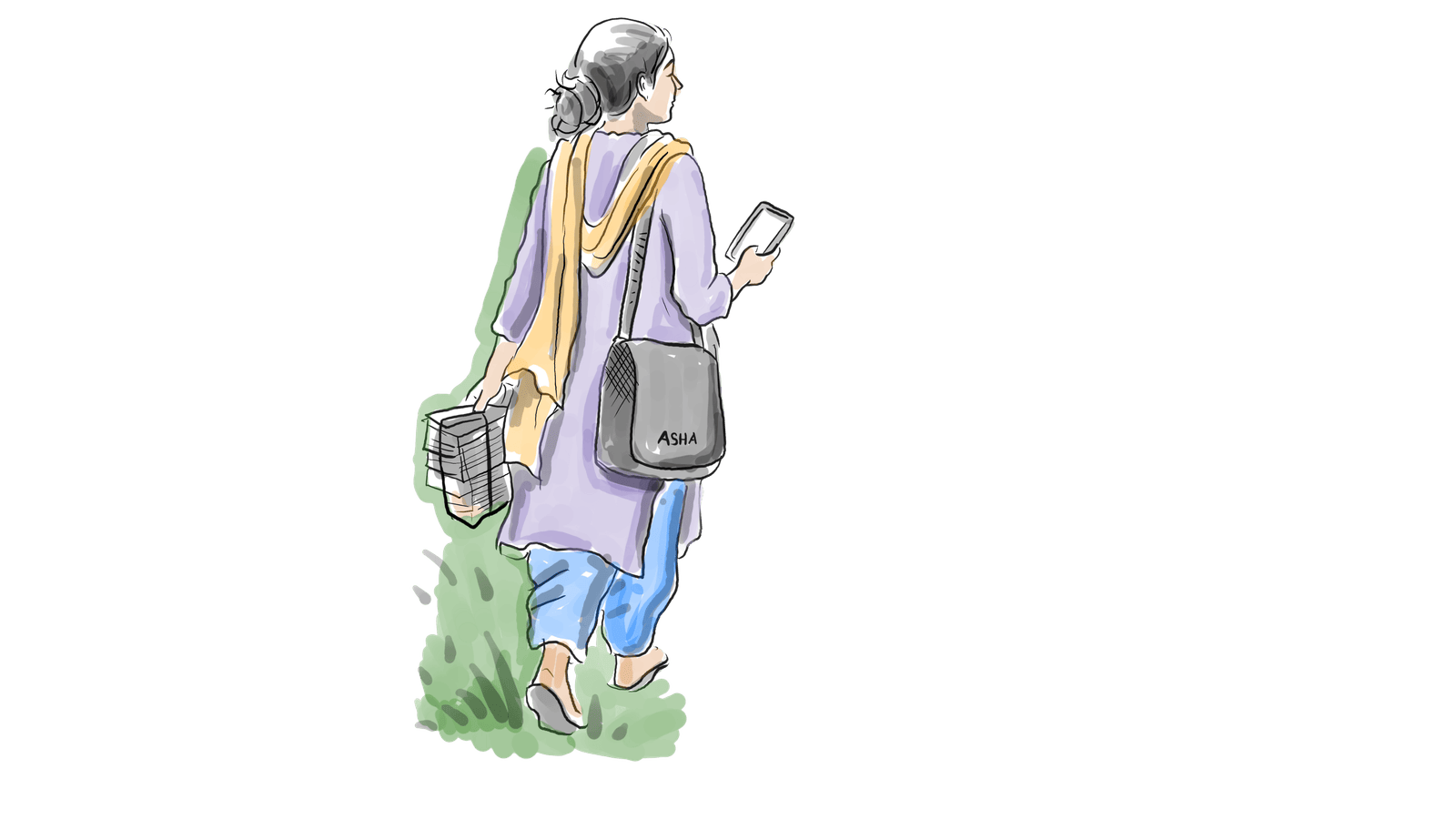
ASHA workers, Anganwadi workers, agricultural extension officers, schoolteachers: these are the people the development system actually runs on. They're also, chronically, under-resourced. They cover too much ground with too little support, and the quality of what reaches communities often depends entirely on their individual knowledge, energy, and judgment on any given day.
AI tools, at their most useful, function as a kind of quiet backstop for this work. In healthcare, diagnostic platforms can help a community health worker catch early warning signs she might not have the training to identify on her own, flag a case for referral, or simply maintain better records than paper allows. It doesn't replace her clinical instinct or her relationship with families in the village. It supplements it.
Agriculture tells a similar story. The platform DeHaat has scaled advisory services, input supply, and market connections to over 1.8 million farmers across several Indian states. That's not a small thing. Farmers who previously had to rely on a single overextended extension officer, or on nothing at all, now have access to crop-specific guidance when they actually need it.
One pilot, supported by global development partners, used AI-enabled crop advisories to help chilli farmers. Yields increased by over 20 percent. Pesticide and fertilizer use went down. These aren't hypothetical efficiencies. They matter to families living on thin margins.
Enabling Data-Driven Governance
Development programs produce staggering amounts of data. Much of it sits unused, in registers, in reports, in databases nobody queries. The gap between data collected and insight generated has always been a real problem in governance.
AI can start closing that gap. Predictive models can map flood-prone areas, identify drought risk, or flag regions likely to see pest outbreaks before they hit. When that intelligence feeds into district-level planning rather than just academic papers, it becomes useful.
India's Digital Agriculture Mission has laid significant groundwork here. Over 7 crore farmer identities and more than 23 crore crop records have been digitized, creating a foundation for AI-driven advisory systems and early warning tools. The infrastructure is there, or getting there. The harder question is whether institutions at the Gram Panchayat and district level have the capacity, and the will, to actually use what the data shows.
That institutional piece is where a lot of technology-for-development efforts quietly stall. Data-driven governance sounds good on paper. Making it work means investing in people and systems, not just platforms.
Bridging Information Gaps
One of the more stubborn features of rural poverty is that people miss out on schemes and services they're actually entitled to, not because the programs don't exist, but because no one told them, or the information came in a language or format they couldn't use.
AI-powered chatbots and voice tools are starting to address this in practical ways. The Kisan e-Mitra chatbot, developed by the Government of India, has fielded millions of farmer queries across multiple languages, on crop practices, weather, scheme eligibility, and more. For someone who has never navigated a government portal, asking a question by voice and getting a direct answer is genuinely different from what existed before.
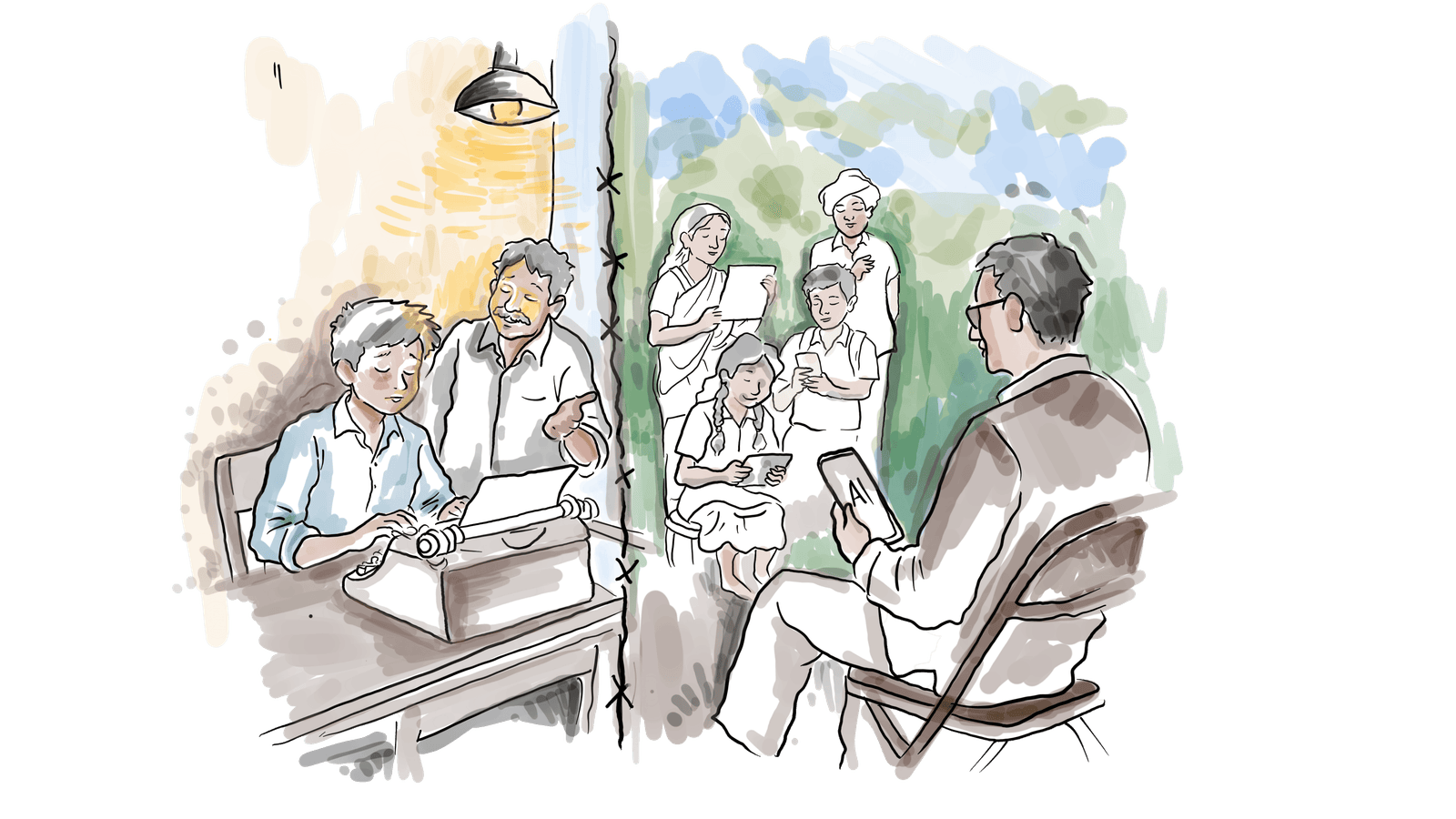
Voice interfaces matter especially where literacy is low. Reading a pamphlet or filling out a form requires skills and confidence that not everyone has. Asking a question in your own language, out loud, and getting a sensible response, that's accessible in a way that a lot of development communication has never managed to be.
Challenges at the Last Mile
None of this works without confronting what's actually on the ground. Connectivity in remote and tribal areas is still patchy at best. Many communities don't have reliable smartphone access, let alone broadband. And even where devices exist, the knowledge of how to use them, and why to trust them, often doesn't follow.
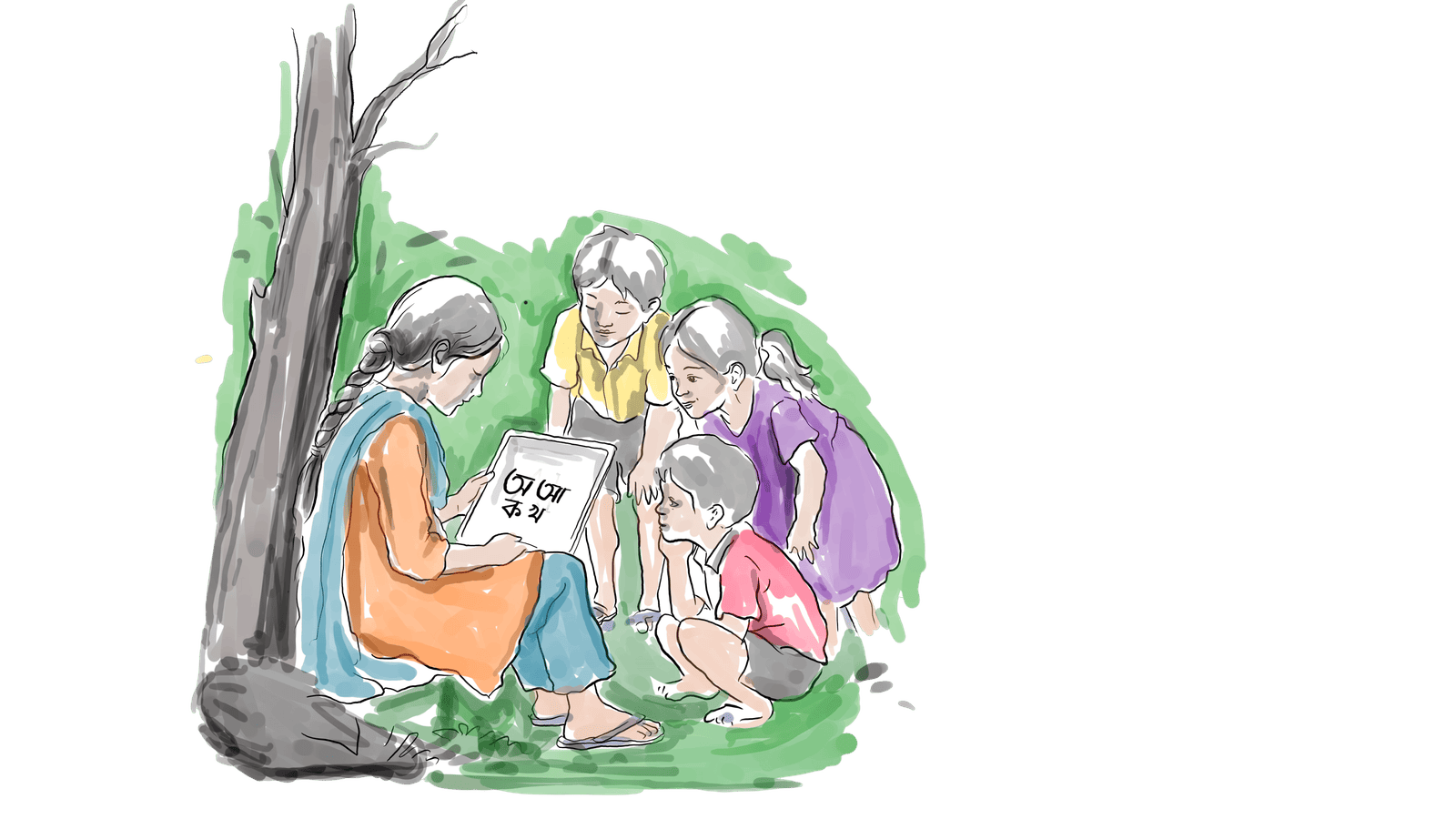
A significant share of smallholder farmers remain unfamiliar with AI-enabled tools altogether. That's not a technology problem. It's a capacity and outreach problem. Digital literacy programs, community-level demonstrations, and patient facilitation by people the community already trusts are not optional extras. They're the actual work.
There's also something harder to quantify but equally real: community development depends on relationships. The trust that allows a health worker to enter a home, or a farmer to try a new practice on his field, is built over time through presence and accountability. Technology can't generate that trust on its own. It can, at best, operate within it.
This is why the most promising AI implementations in development aren't the ones parachuted in from outside. They're the ones built in conversation with frontline workers and communities, where the tool is designed around actual workflows, tested against actual problems, and adjusted when it doesn't work.
Conclusion
AI has real potential to change what's possible in community development. Better service delivery, more intelligent governance, more accessible information: these are not small contributions. And the evidence, where it exists, is genuinely encouraging.
But the last mile has always been hard for a reason. It's where infrastructure is thin, trust takes time, and complexity is highest. Technology doesn't dissolve those conditions. What it can do, if deployed carefully and with strong partnerships, is give the people already doing this work better tools to do it with.
Those framing matters. AI as an amplifier of human effort, rather than a replacement for it, is not just a diplomatic hedge. It's probably the only version of this that actually works.