Introduction: The Rising Value of Rural Data
Across rural development programs today, data has quietly become one of the most valuable resources. Information about farming practices, livestock, income levels, health conditions and household realities is regularly collected from communities. What was once informal, experience based knowledge is now being digitised and stored. With the rise of Artificial Intelligence, this information holds even greater significance, as digital systems rely on large datasets to identify patterns, predict risks and guide decisions.
Villages as Sources of Data
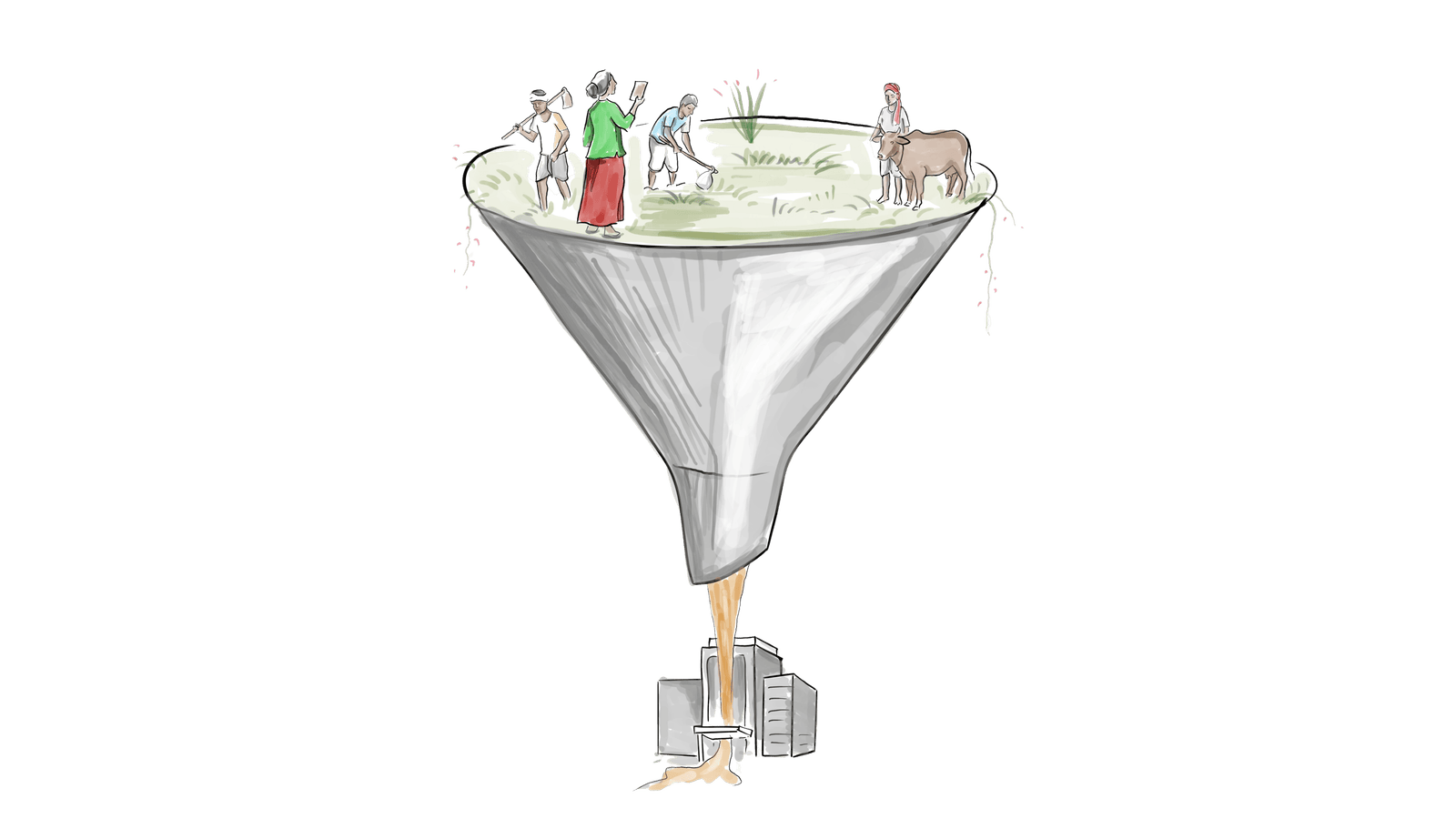
In many villages, people are now familiar with surveys and digital data collection. Farmers share details about crops, livestock rearers report on animal health and households provide socio-economic information. Field workers capture this data through mobile applications and it travels far beyond the village into institutional systems.
For organisations and governments, such data is highly valuable. It helps track progress, identify gaps and design targeted interventions. For example, crop data can be used to predict pest outbreaks, while livestock records can inform vaccination planning. In Assam, similar practices are already visible where community level workers track animal health trends. Yet, while data flows upward efficiently, its return to the village often remains limited.
The Missing Return of Knowledge
For the communities who provide this information, the benefits are often not immediately visible. A farmer may report crop loss but receive little guidance on preventing it in the next season. A livestock rearer may share details of disease outbreaks without receiving early warnings in advance.
This creates a gap where communities contribute data but remain excluded from the knowledge it generates. In many villages, despite repeated surveys, people still depend on guesswork for decisions like sowing time or animal treatment. This reflects a simple reality, information is being collected but not adequately shared back in a meaningful and usable form.
Ethical Questions in the Age of AI
With the growing use of AI in development systems, this imbalance becomes more critical. These technologies depend heavily on rural data, yet communities are rarely informed about how their information is used. Questions of ownership, consent and benefit sharing remain largely unanswered.
For instance, if village level data is used to develop advisory tools or commercial models, should the contributing communities not also benefit? At present, such linkages are often unclear, raising concerns about fairness and transparency.
Using AI Responsibly for Community Development
Despite these challenges, AI holds strong potential when applied responsibly. The key lies in making it accessible and relevant at the grassroots level.
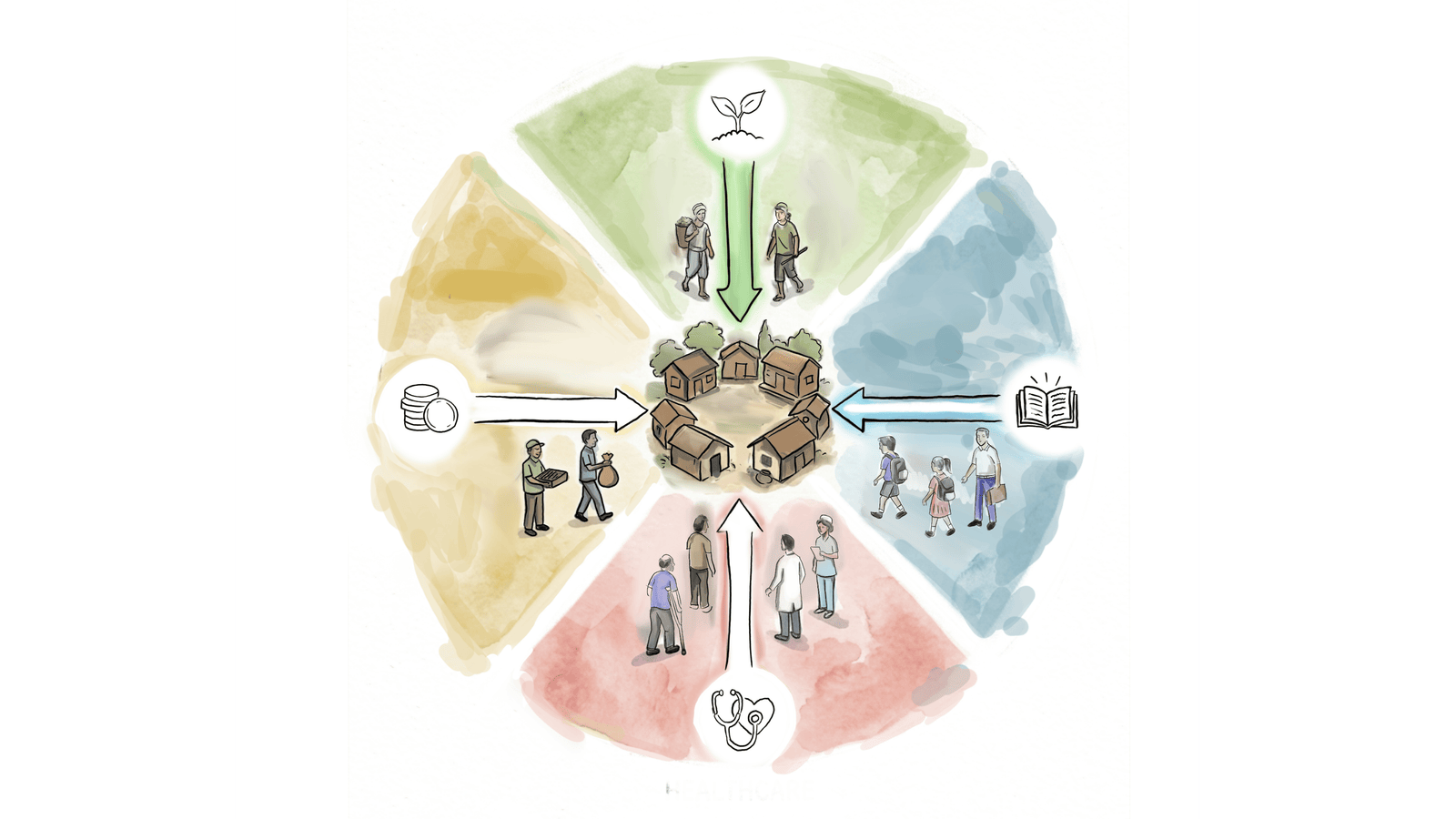
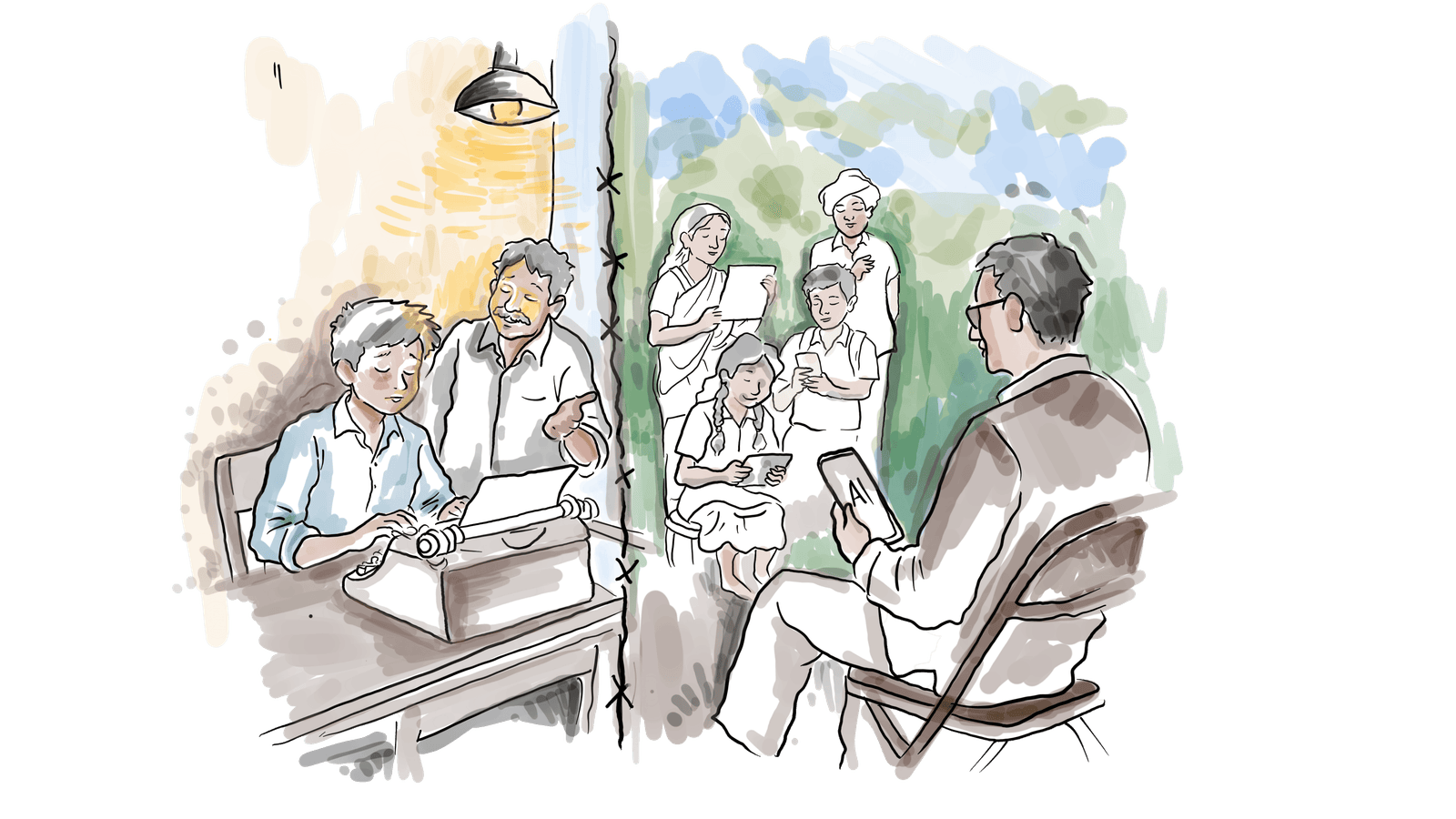
Instead of only collecting information, systems can return value through simple, practical solutions. Farmers could receive voice based advisories in local languages on weather risks or pest control. Livestock rearers could get timely alerts before seasonal disease outbreaks. Community institutions like SHGs or Producer Groups could use basic digital dashboards to track savings, income and enterprise growth.
Even small steps, such as sharing survey findings in village meetings or displaying insights on community boards can make a meaningful difference. These are practical and low cost ways to ensure that data begins to serve the people who generate it.
Conclusion: Putting Communities at the Centre
For AI to truly support inclusive development, it must be built on trust and mutual benefit. Communities should clearly understand why their data is collected and how it will be used. More importantly, they should have access to the insights generated from it the insights that help improve their everyday decisions and livelihoods.
Technology must respect local languages, cultural knowledge and the lived realities of rural life. It should strengthen, not replace the human relationships that form the foundation of community development.
When rural communities are recognised not just as data providers but as rightful participants and beneficiaries of knowledge, Artificial Intelligence can move beyond theory and become a practical tool, one that genuinely reaches and empowers the last mile.