Someone called you artificial today. Did it hurt? Good. Hold that feeling because that discomfort is exactly where this conversation needs to begin.
AI. Two letters. One small word that has somehow divided the world into two kinds of people: those racing toward it, and those quietly stepping back. Not just communities or countries, this divide runs through classrooms, offices, and homes. And before we talk about access to AI, we need to talk about something older and more stubborn: who feels allowed to use it. Think about what the word “artificial” does in everyday conversation. You look artificial today. That painting feels artificial. Their relationship seems artificial. It is never a compliment. Artificial means fake, hollow, a copy passed off as real. So it is a fair question, and a sharper one than it first appears: if a person’s intelligence were artificial, would you trust it?
In cities and universities, AI has become the new language of ambition. Professionals swap tools the way they once exchanged book recommendations; the conversation is about efficiency, creativity, leverage - you are either ahead of AI or behind it. But there is another India. In the villages of rural Assam, in the hill districts of Meghalaya , in the weekly markets of Nagaland, people are still watching from a distance- curious, hesitant, a little unsure. And who can blame them? When something new arrives and nobody explains it in your language- your real language, not a translated pamphlet- suspicion is not ignorance. It is wisdom. These two Indias are not just separated by geography or income; they are separated by something more intimate: the confidence to reach for a new tool without shame.
“The shame does not stay in the office. It walks out the door and keeps going, all the way to the last mile.”
That is where things become uncomfortable. Even within the so-called privileged India the one with degrees, desks, and steady internet- AI has not arrived as a shared, confident embrace. It has arrived as another quiet divide. Some use it openly, even proudly. Others use it in private, closing the tab when someone walks past. And then there are those who refuse to use it at all, building a small, righteous identity around that refusal.
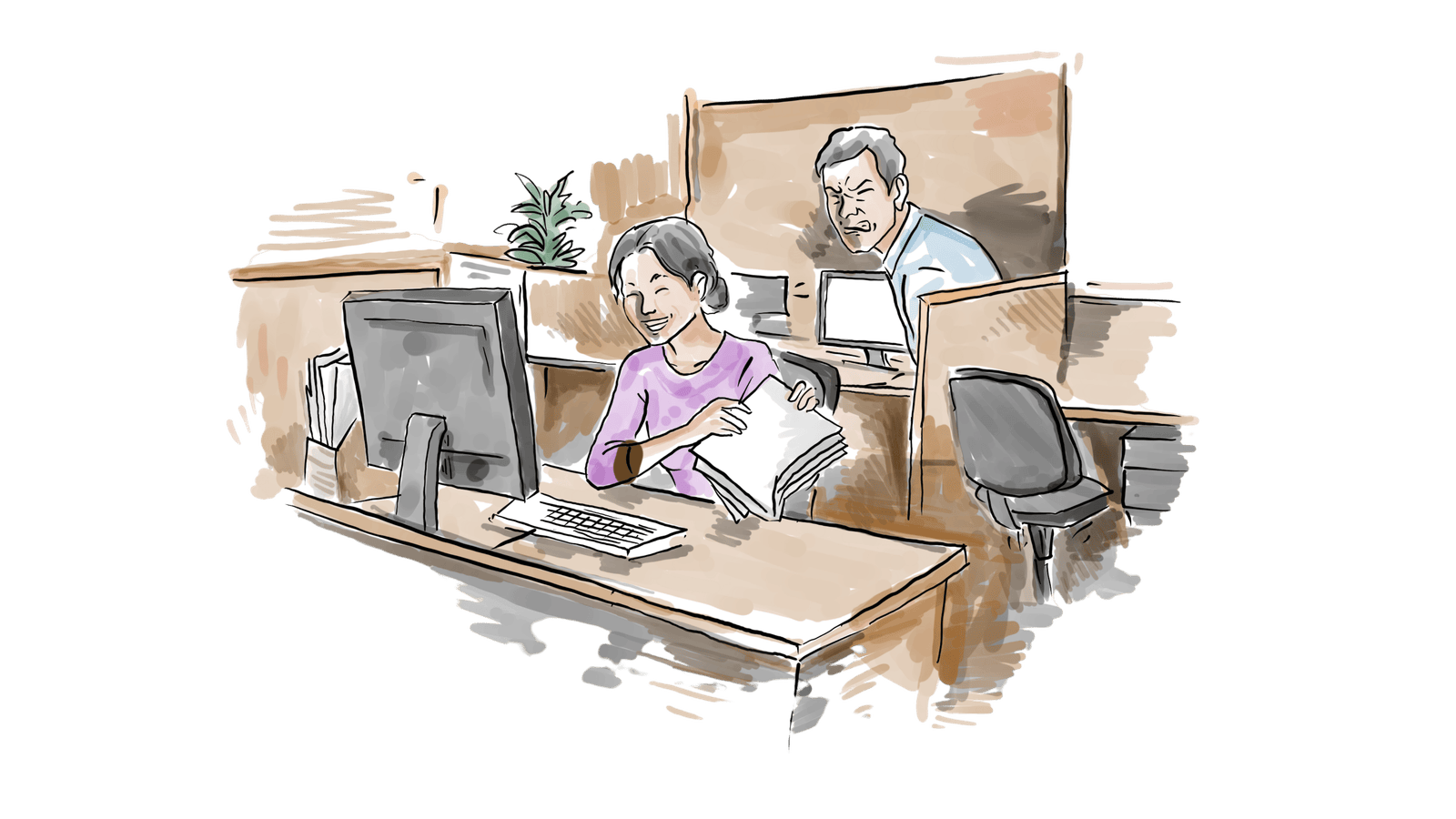
Not long ago, a colleague discovered I had used AI to help with a piece of writing. The response was not curiosity or even a question- it was a quiet, sharp dismissal, the kind that does not shout but still lands. The message was clear: using AI means you did not really do the work; using AI makes you less.
I sat with that for a while, and then a more unsettling thought followed. If this is how an educated, well-resourced professional responds to a new tool, what does that atmosphere mean for someone who already feels uncertain, already stands at the edge of access? Because this discomfort does not stay contained- it travels. It becomes a cultural signal, settling into the
minds of people who are already wondering whether this new thing is meant for someone like them. The shame does not stay in the office; it walks out the door and keeps going, all the way to the last mile.
“The last mile has never lacked intelligence. What it has lacked is permission.”
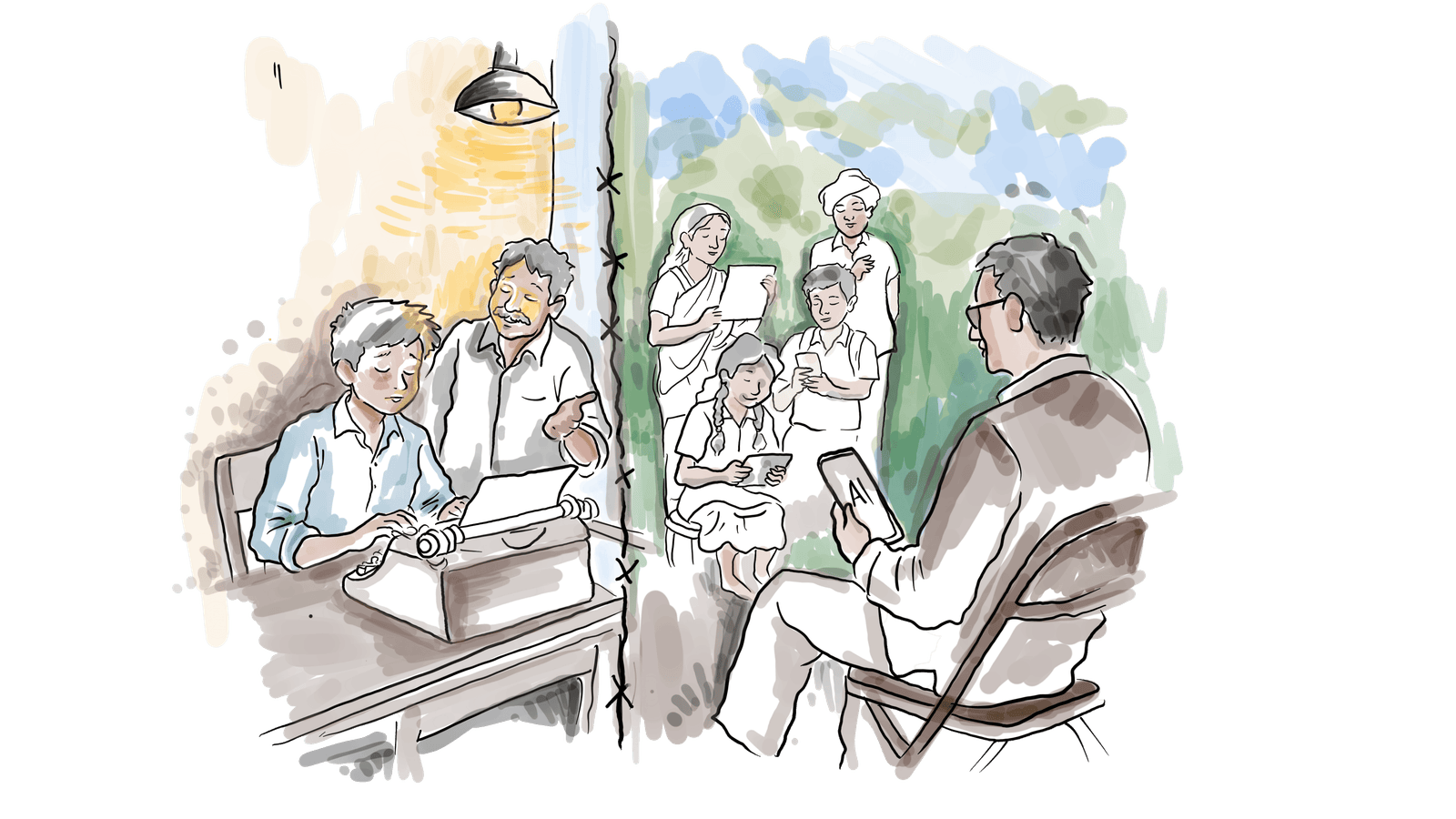
We have seen this before. The person who used a calculator was once told they could not really do mathematics; the person who typed instead of writing by hand was told they had no real style. In each case, the suspicion was never just about the tool- it was about what using the tool said about you. Then, slowly, the tide turned. These tools moved from elite spaces into everyday hands, from offices to small shops, from urban classrooms to rural schools. What once signaled privilege became ordinary, and then essential. The shame did not disappear because someone declared it over; it disappeared because enough people simply chose to use the tool. AI stands in that exact place today. The hesitation of today will become the confidence of tomorrow; but only if we are honest about where that hesitation comes from, and what it costs the people who inherit it.
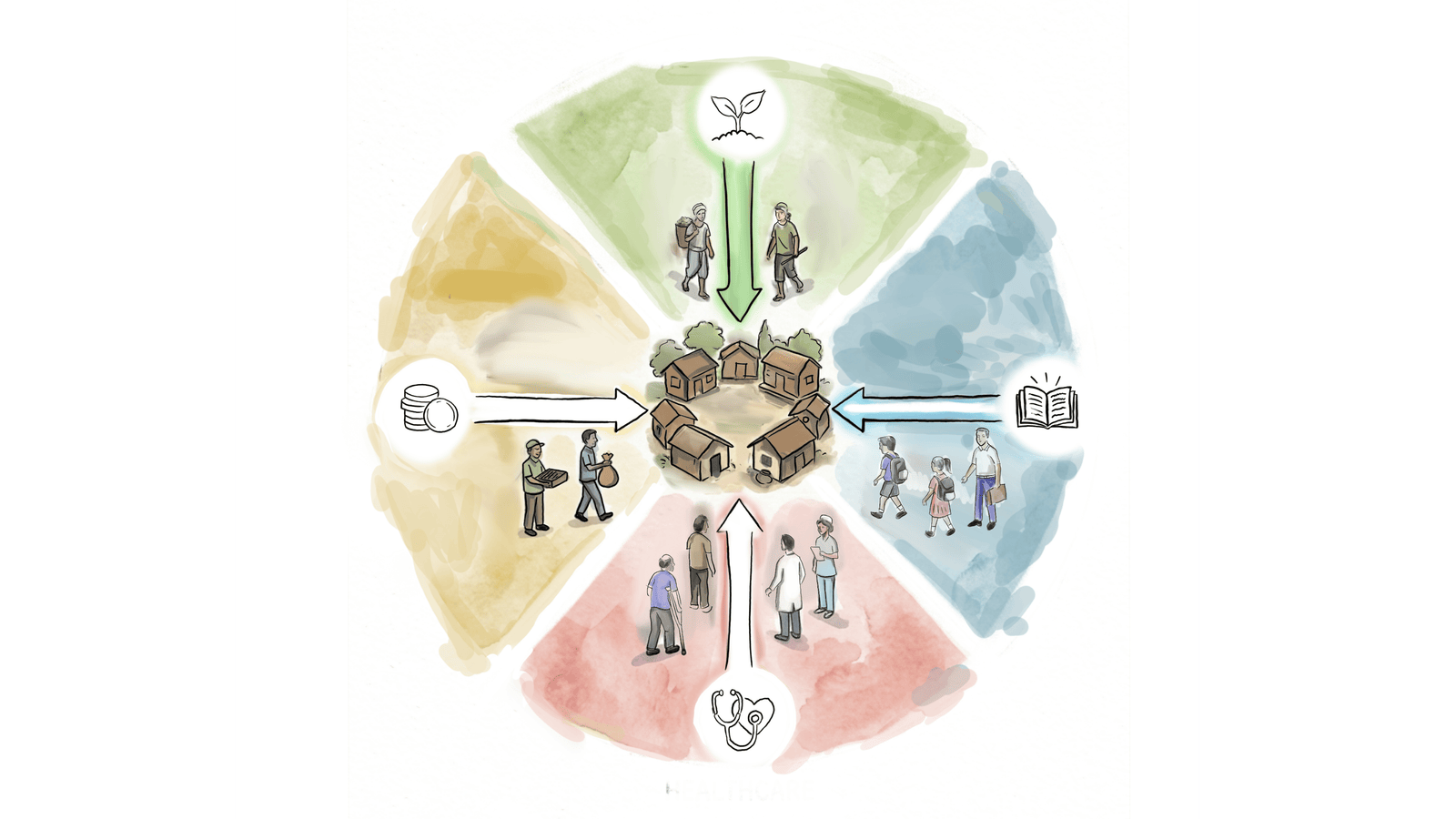
The last mile is where the map ends and real life begins- the village where the road turns to mud, the place where the signal drops mid-sentence. India’s broadband subscriber base crossed 974 million by mid-2025, yet the entire Northeast- home to nearly 4% of the population, accounts for less than 2% of that base. In rural Assam, three in four households may own a mobile phone, but fewer than one in five has meaningful internet access, and even fewer can rely on it consistently. In schools, the gap is just as visible: only a small fraction have functional internet access, and smart classroom infrastructure, which briefly expanded after the pandemic, has slowed or in some places, reversed. There have been real efforts, BharatNet, the IndiaAI Mission, promises of local-language tools for low-connectivity environments and these steps matter. But infrastructure alone does not build confidence.
Confidence is quieter than infrastructure. It is the willingness to try something publicly, to get it wrong, to learn without embarrassment. And right now, that confidence is unevenly distributed. Across rural India, only a fraction of internet users are digitally literate in a meaningful sense, and in the Northeast it is likely lower. But digital literacy is not just technical it is emotional. It is the feeling of being allowed to try. Many still see AI as something meant for educated city people; there is hesitation in not knowing, and fear in getting it wrong in front of others. That hesitation is not created in isolation; it echoes the same ambivalence still visible in more privileged spaces.
“Let AI arrive as a tool, not as a teacher.”
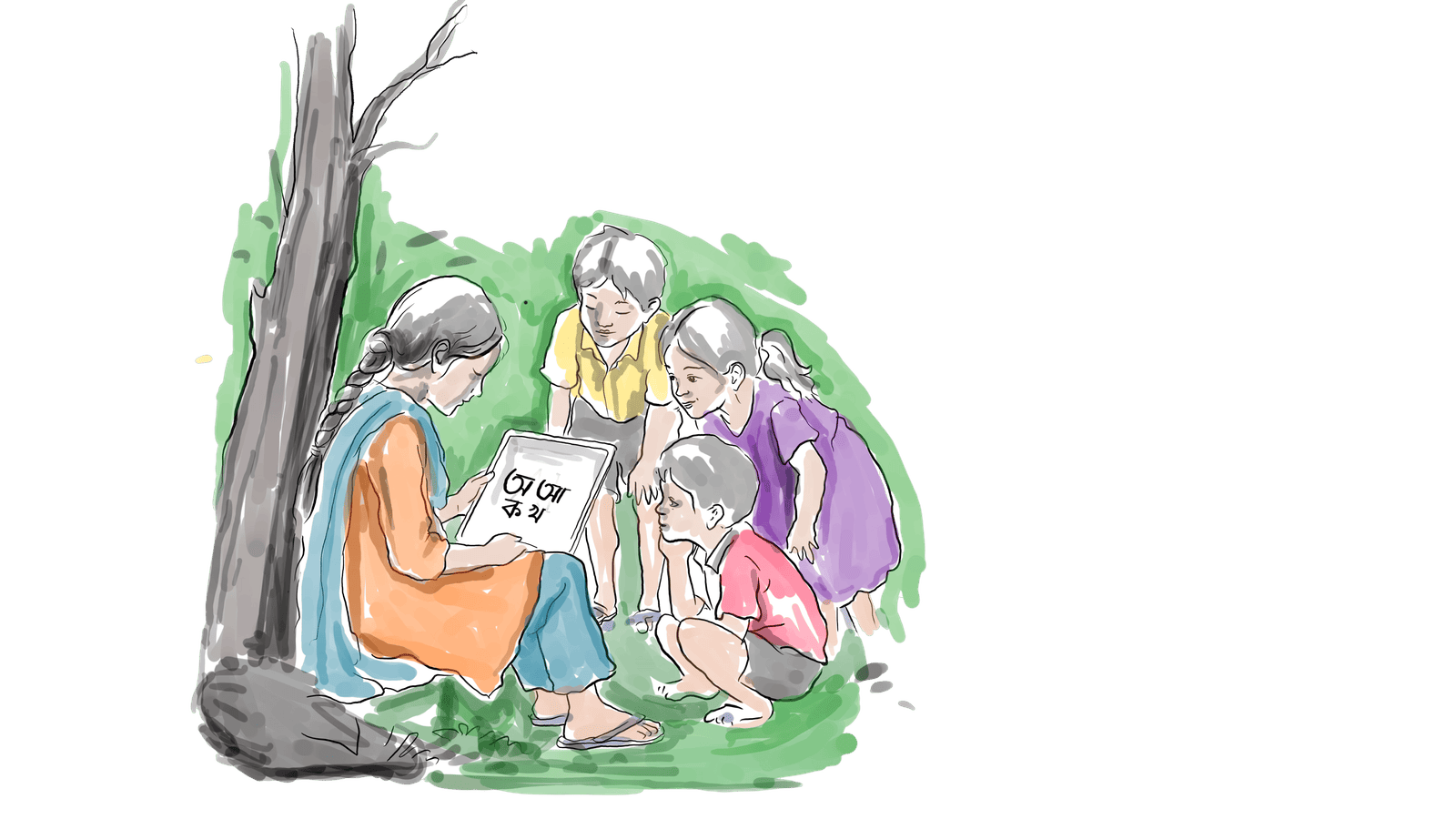
The last mile has never lacked intelligence; what it has lacked is access to tools, to systems, and to the unspoken permission to use them without apology. That can change. The shyness of today can become the confidence of tomorrow; it always has. But it requires something both simple and difficult: those already inside the conversation must stop treating AI use as a confession, and start treating it as what it is- a skill, a tool, a right.
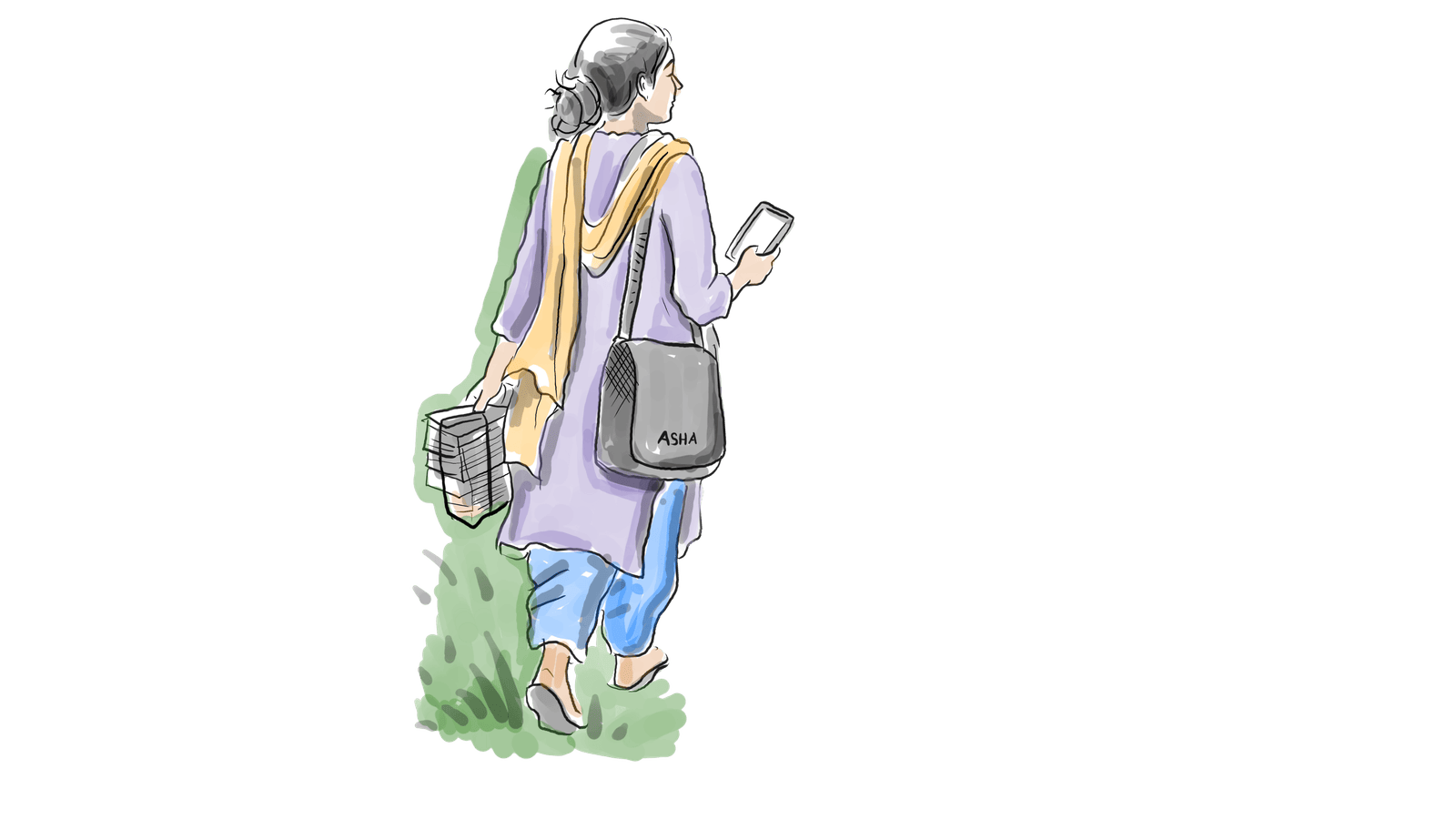
Let AI reach the last mile not as a teacher, but as a tool; not as a replacement for human intelligence, but as something that supports it. Let it speak in the languages people think in, work on the phones people already have, and arrive without carrying the borrowed shame of those who should have known better.
Because in the end, the I in AI does not stand for intelligence alone.
It stands for who gets to use it and who decides they are allowed to.