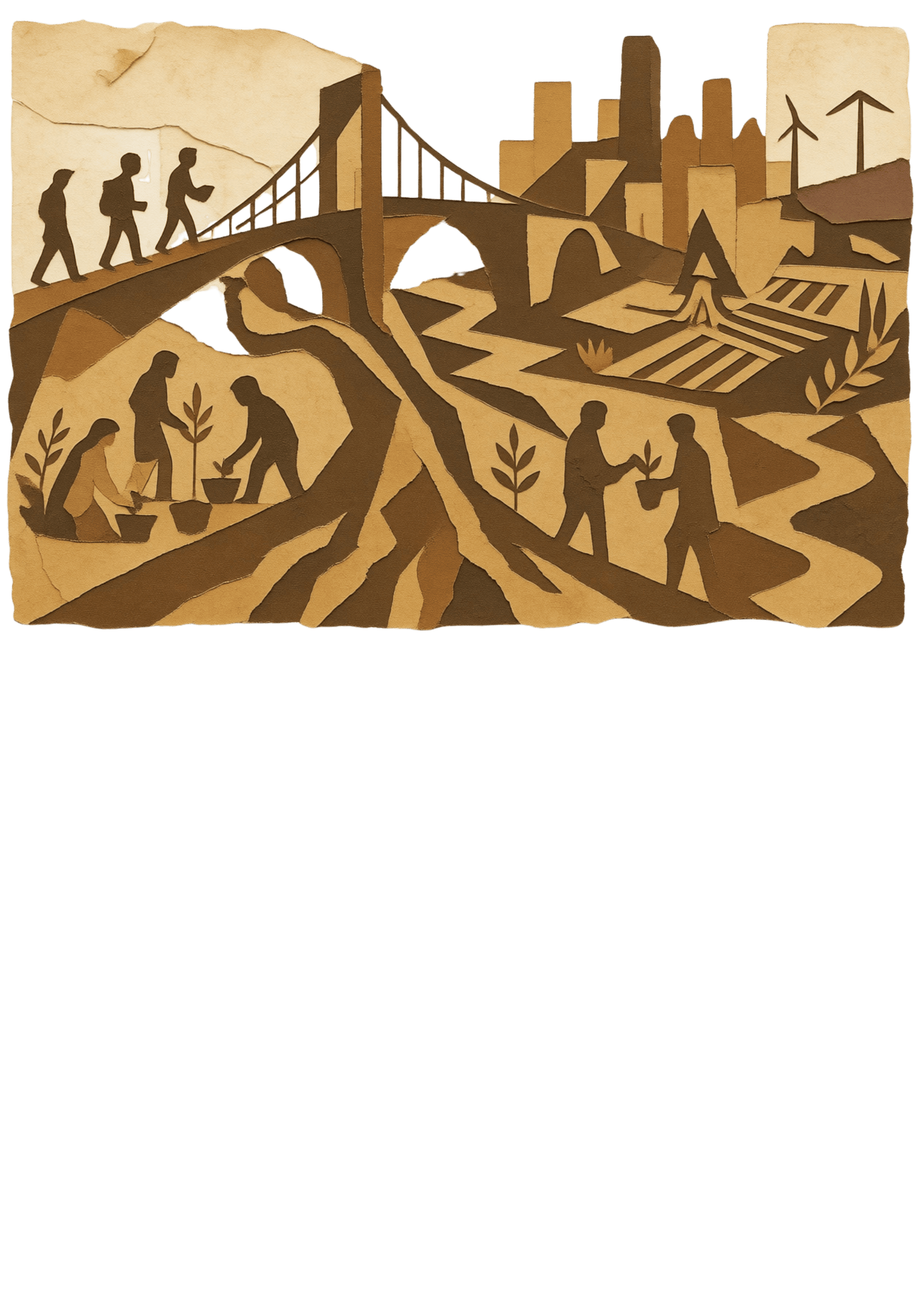
The Sustainable Development Goals transformed global development by creating a common language for progress. Yet as the world approaches 2030, it is clear that measurable achievement alone cannot guarantee a better future. Economic growth has advanced alongside ecological decline, technological innovation alongside social isolation, prosperity alongside widening inequality. This article argues that the next era of development should be guided not merely by targets but by values, and that beyond 2030 humanity must redefine progress through resilience, trust, ecological balance, and collective responsibility, building a future judged not only by what societies achieve but by what they preserve.
When history remembers the Sustainable Development Goals, it will remember them not simply as seventeen goals but as humanity's boldest attempt yet to imagine a shared future. They reminded nations that poverty, hunger, education, health, climate, and equality are not isolated challenges but interconnected responsibilities.
Yet every blueprint has its horizon. As 2030 approaches, the world confronts a difficult reality: despite remarkable effort, many of the deepest crises remain unresolved. Climate instability has intensified. Economic inequality has become more visible. Technological progress has outpaced ethical safeguards. Development has moved forward, but not always together. Perhaps the most important lesson of the SDGs is that development cannot be reduced to a checklist.
For decades, societies have measured progress in numbers: higher incomes, expanding infrastructure, rising production, faster growth. These achievements matter. Roads connect villages, schools educate children, hospitals save lives, industries generate employment. But numbers rarely reveal whether communities feel secure, whether institutions are trusted, or whether nature can continue to support future generations.
The world beyond 2030 demands a deeper conversation. The next chapter of development should not ask only, “How much have we built?” It should also ask, “What have we protected? What have we restored? And what kind of society have we become?”
From Extraction to Stewardship
This shift requires replacing the language of extraction with the language of stewardship. Development has long been driven by the belief that natural resources exist primarily to fuel economic expansion. The coming decades demand a different philosophy, one that recognises forests as climate guardians, rivers as living ecosystems, biodiversity as natural wealth, and communities as custodians rather than consumers.
Rebuilding Trust
Equally important is rebuilding one of the world's most overlooked resources: trust. No society can flourish if citizens distrust institutions, governments distrust communities, or nations distrust one another. Trust determines whether people embrace new technologies, cooperate during crises, and participate in public programmes. It cannot be legislated into being; it is cultivated through transparency, accountability, fairness, and meaningful participation.
Technology in Service of Dignity
Technology will undoubtedly shape the future, but it cannot define development on its own. Artificial intelligence, automation, and digital networks hold real potential to improve education, healthcare, disaster management, and governance. But innovation without inclusion risks creating new forms of inequality. The true measure of technological advancement will not be the sophistication of machines but the extent to which they expand human opportunity, dignity, and freedom.
Valuing Local Knowledge
Another transformation must occur in how knowledge itself is valued. For generations, development has privileged expert driven models while overlooking local wisdom. Indigenous farming practices, community water management, traditional ecological knowledge, and cultural resilience have sustained societies for centuries. Beyond 2030, innovation should emerge from collaboration between scientific discovery and lived experience, not from treating them as competing systems of knowledge.
The Case for Patience
Development must also rediscover patience. The modern world celebrates speed: faster growth, faster communication, faster consumption. Yet the strongest forests grow slowly, resilient institutions evolve gradually, and lasting peace cannot be rushed. Sustainable progress requires long-term thinking that extends beyond election cycles and quarterly reports, decisions made not only for today's citizens but for generations yet unborn.
Ultimately, the future of development is not a technical challenge alone; it is a moral choice. The question facing humanity is no longer whether we possess sufficient knowledge or resources. It is whether we possess the wisdom to use them responsibly. The decades ahead will be defined less by the technologies we invent than by the values we choose to uphold.
The Sustainable Development Goals gave the world direction. The post-2030 era must give it purpose. Development should no longer be measured solely by the wealth nations accumulate, but by the trust they nurture, the ecosystems they restore, the opportunities they create, and the dignity they protect. A truly developed society does not leave behind impressive statistics. It leaves behind a liveable planet, resilient communities, and hope that endures across generations. Only then will development become more than a destination. It will become humanity's enduring promise to itself.