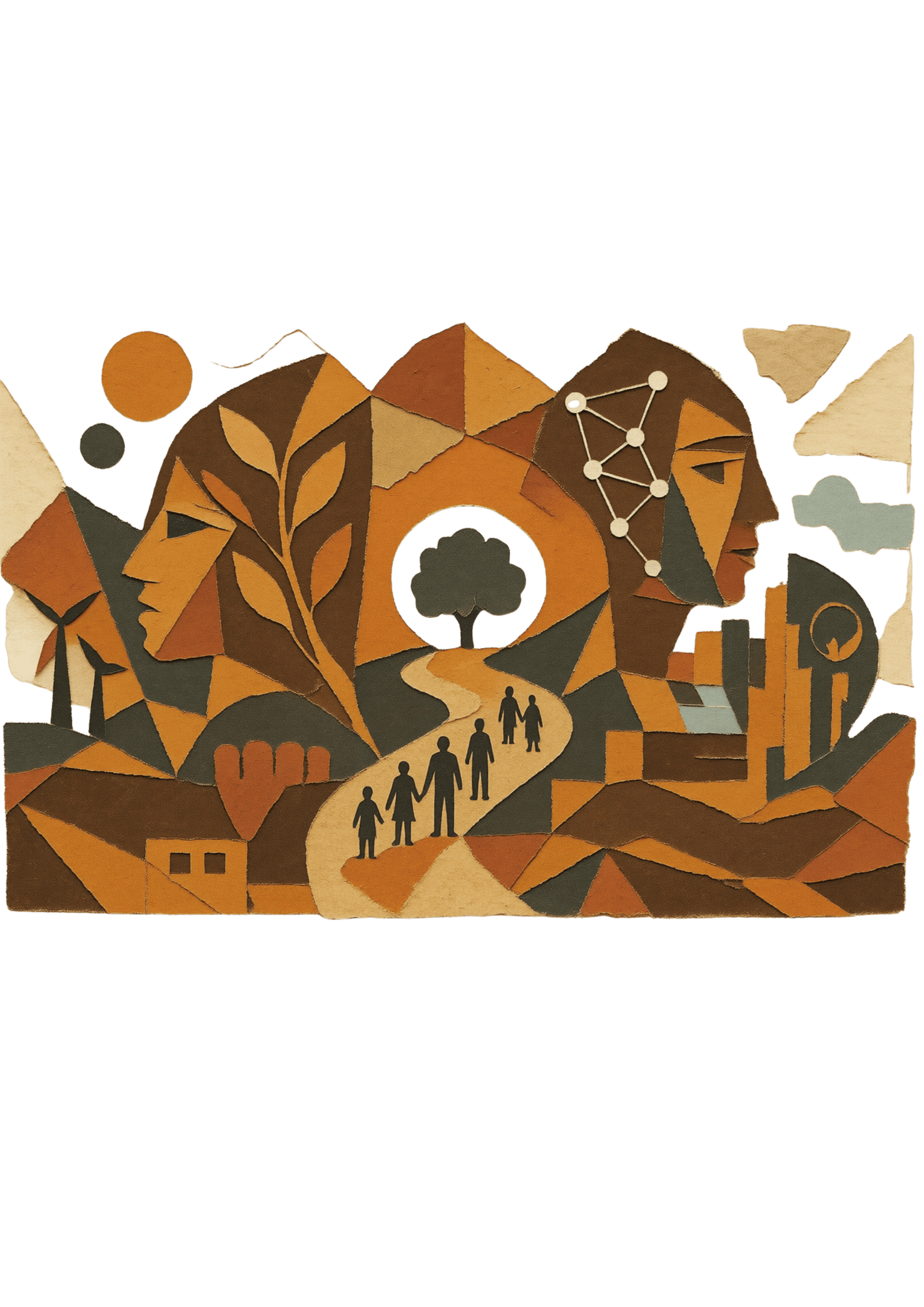
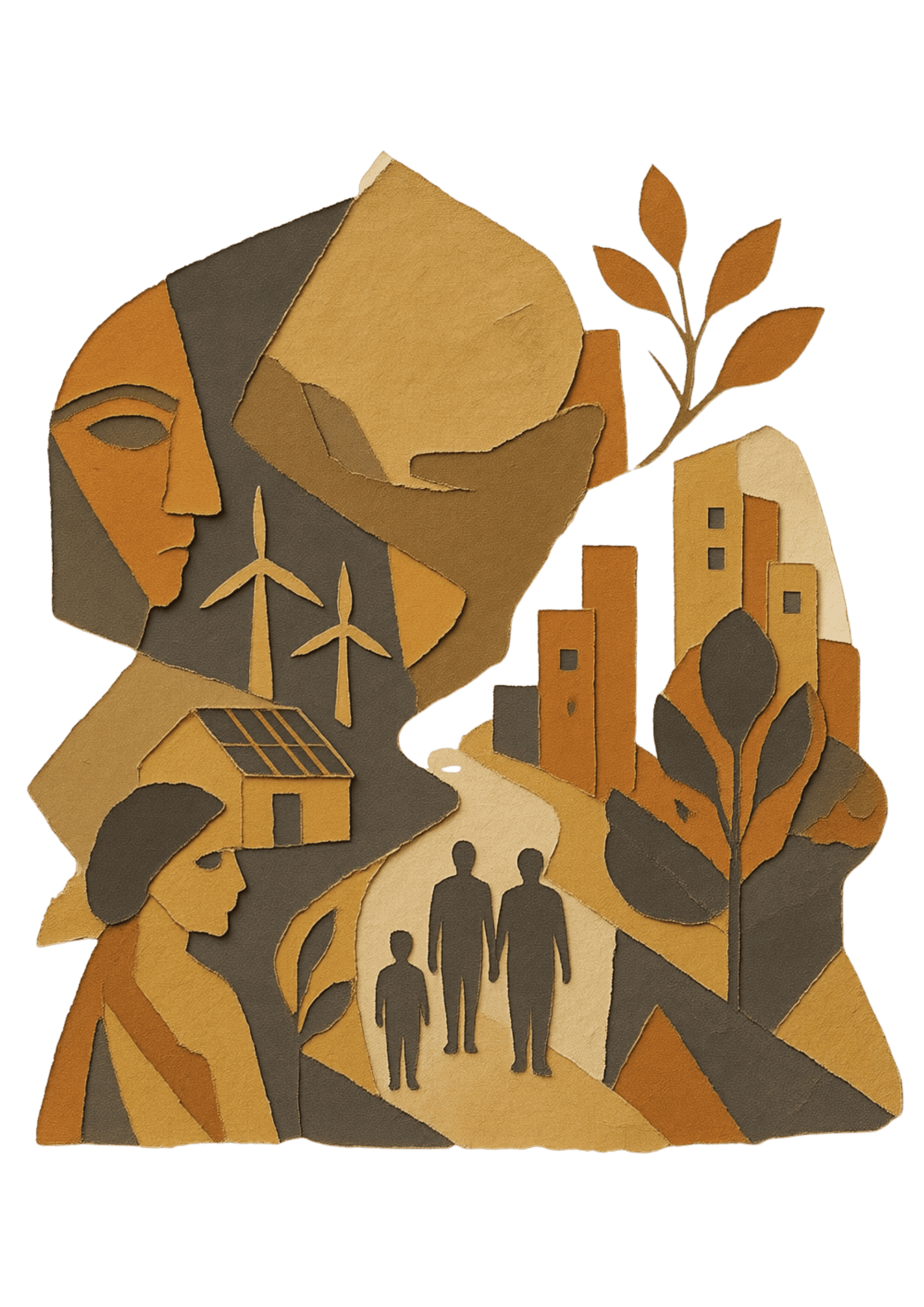
The Sustainable Development Goals, adopted by UN member states in 2015 as the 2030 Agenda, gave the world a shared framework for tackling poverty, hunger, inequality, climate change, and access to education and healthcare. As the target year nears, many of these challenges persist even as new ones emerge: climate change is intensifying, biodiversity is declining, technology is reshaping societies, and inequality remains stubborn. This calls for development approaches beyond 2030 that are more resilient, inclusive, and responsive to local realities. The future will depend on stronger collaboration between communities, governments, civil society, technology, and local knowledge, with global commitments translated into locally driven action to build a future that is just, resilient, and environmentally sustainable.
Beyond the SDGs
When the SDGs were adopted in 2015, they created a global commitment to end poverty, reduce inequality, and protect the environment. Since then, countries have made progress on education, healthcare, clean energy, and environmental conservation. These achievements matter, but they also show that sustainable development is a continuous process rather than a finish line. After 2030, the world will face new pressures: intensifying climate change, mounting strain on natural resources, and rapid technological change. Meeting them will take stronger cooperation, active public participation, and policy that reflects local needs.
Communities at the Centre
No development programme succeeds without the people it is meant to serve. Communities understand their own strengths, challenges, and aspirations better than anyone else. When they participate in planning and decision-making, development becomes more inclusive, practical, and durable. Whether the task is restoring a wetland, protecting a forest, or improving local livelihoods, the most lasting solutions begin with people who have a deep connection to their surroundings. Self Help Groups build women's financial independence through savings and small enterprise. Youth organisations advance education, environmental awareness, and volunteerism. Panchayats and village councils ensure development reflects local priority. Participation itself builds a sense of ownership, and with it, the will to protect and sustain what has been built.
Turning Vision into Action
Governments make policy, invest in infrastructure, and deliver essential services such as education, healthcare, and public welfare, and development is more effective when those policies meet real needs. Civil society plays an equally important role: NGOs, educational institutions, voluntary groups, and local leaders connect people to government programmes, spread awareness, and support vulnerable communities. They also promote transparency by monitoring implementation and helping ensure resources reach those who need them most. When governments and civil society work together with mutual trust and accountability, development becomes more democratic, inclusive, and effective.
Technology Guided by Local Wisdom
Technology will play a significant role in sustainable development after 2030, but it must always serve human welfare. Artificial intelligence can improve healthcare, education, agriculture, and disaster management through faster, more accurate solutions. Digital governance can make public services more transparent and accessible. Renewable energy reduces pollution and dependence on fossil fuels, and innovation in water management, waste recycling, and sustainable farming supports environmental protection further still. But technology should never replace human values or deepen inequality. It must be used responsibly, to improve quality of life and expand opportunity rather than concentrate it.
Local Knowledge as a Foundation
Local and indigenous knowledge is essential to sustainable development. Indigenous communities have developed, over generations, practices that conserve forests, water, biodiversity, and natural resources. Traditional farming methods often rely on fewer chemicals, protect soil fertility, and preserve local crop varieties. Community based water conservation, ponds, rainwater harvesting, traditional irrigation, supports sustainable water management, and local culture and custom encourage respect for nature and responsible resource use. Combining scientific knowledge with traditional wisdom strengthens climate resilience and produces solutions well suited to local conditions.
Local Roots, Global Future
The challenges ahead, climate change, pandemics, food security, biodiversity loss, environmental degradation, are shared by every nation and cannot be solved by any one acting alone. They require international cooperation, knowledge sharing, and strong local leadership. Every village, town, and city has a role to play in achieving global sustainability, and the post-2030 agenda should encourage collaboration across every level of society, ensuring that development grows from local participation and aspiration rather than being imposed from above.
Building the Future Together
The years beyond 2030 should not be seen as the end of the Sustainable Development Goals but as the beginning of a new phase. That future will demand greater resilience, stronger partnerships, and innovative solutions that place people and the planet at the centre of decision-making. Communities, governments, civil society, technology, and local knowledge each have a distinct role to play in shaping it. Together they can turn global ambition into meaningful local action. Ultimately, the success of development beyond 2030 will not be measured by economic growth or completed targets alone, but by our ability to build societies that are inclusive, environmentally responsible, and capable of improving the lives of present and future generations.