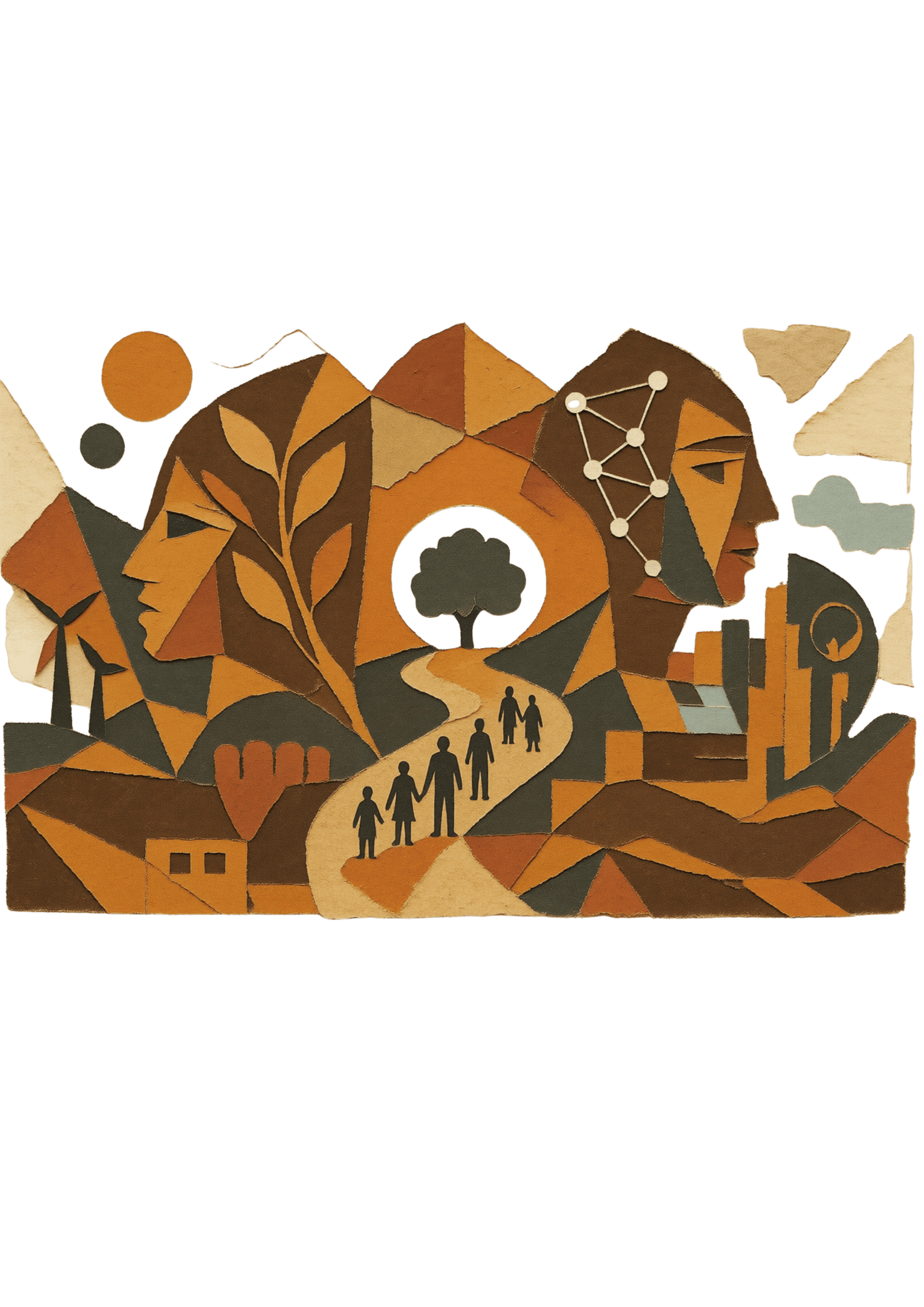
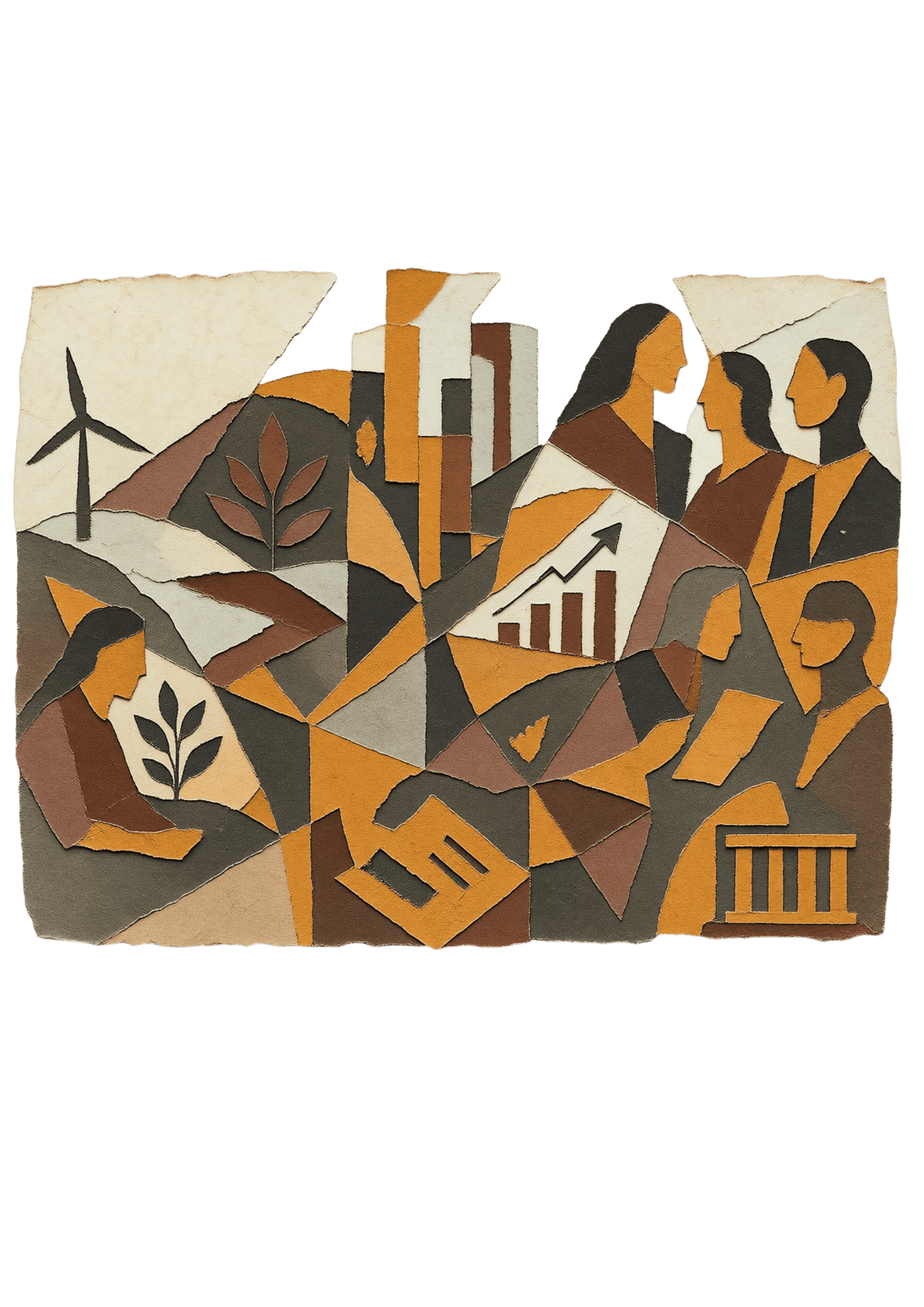
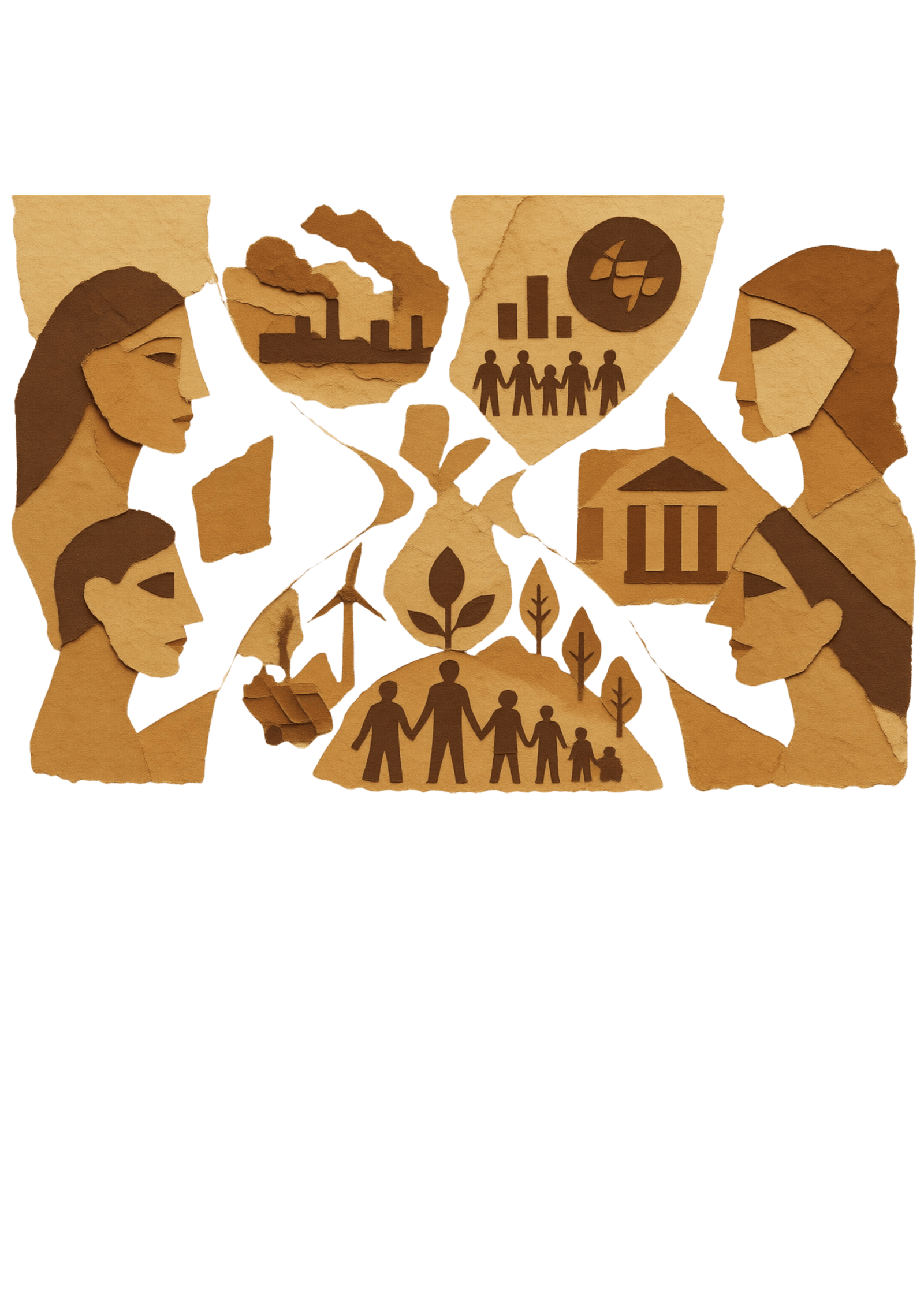
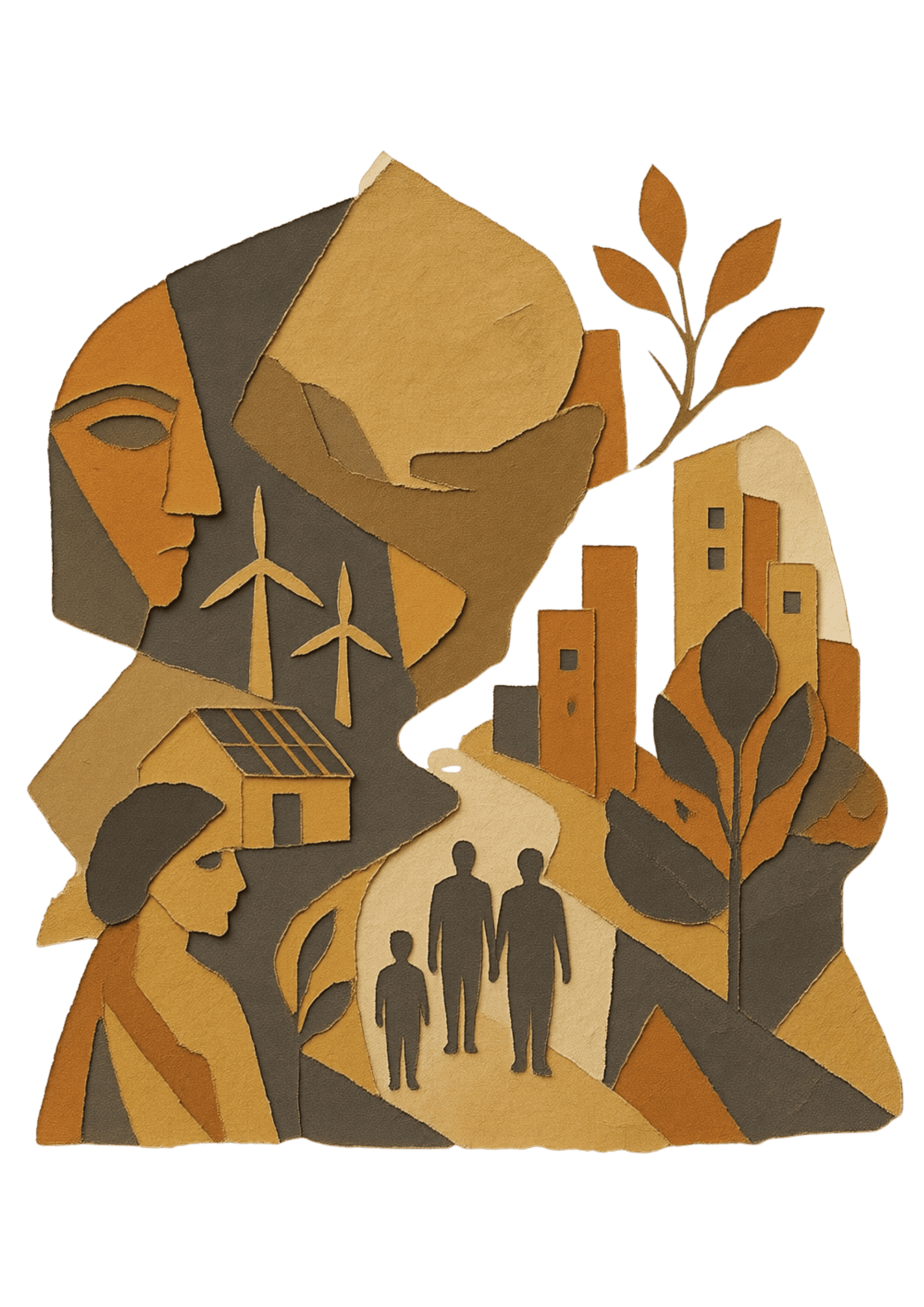
The year 2030 will mark not merely the conclusion of the UN's Sustainable Development Goals but a defining moment in humanity's collective journey toward a more equitable and sustainable future. Since their adoption in 2015, the seventeen SDGs have provided an unprecedented global framework for combating poverty, reducing inequality, improving health and education, promoting gender equality, and protecting the environment. They have inspired governments, civil society, businesses, and communities to work toward common aspirations. Yet as the deadline approaches, only a small fraction of the targets are on course, while many have stagnated or regressed under the combined pressure of climate change, pandemics, armed conflict, economic instability, technological disruption, and widening geopolitical divisions. Rather than treat this as failure, the world must treat 2030 as an opportunity to rethink development itself.
The foremost challenge confronting humanity is the accelerating climate emergency. Development can no longer be pursued by exploiting natural resources beyond ecological limits. Future policy must be anchored in scientifically defined planetary boundaries, the Earth's safe operating limits, and economic growth must evolve into regenerative development that restores ecosystems instead of depleting them. Nature based solutions, sustainable agriculture, circular economy practice, renewable energy, and climate resilient infrastructure should become central pillars of national planning, alongside recognition of the indigenous and local knowledge that has enabled communities for centuries to coexist sustainably with forests, rivers, wetlands, and mountains.
Technological transformation represents both humanity's greatest opportunity and one of its greatest risks. Artificial intelligence, big data, biotechnology, robotics, and digital public infrastructure hold enormous potential to improve healthcare, education, disaster management, agricultural productivity, and public service delivery. But technological advancement without ethical governance could deepen inequality, concentrate wealth, threaten privacy, and widen the digital divide between nations and communities. The post-2030 world needs a human centred digital order built on transparency, accountability, fairness, and universal digital access.
Demographic transformation will equally shape the future. Many developing nations continue to experience youthful populations seeking education and employment, while several developed economies face rapidly ageing societies with shrinking workforces. These contrasting realities call for differentiated strategy. Countries with expanding youth populations must invest heavily in quality education, skill development, entrepreneurship, research, and productive employment to convert demographic potential into economic strength. Ageing societies, meanwhile, should recognise older persons as valuable contributors through lifelong learning, flexible employment, preventive healthcare, and a strengthened care economy. Migration policy should become more humane and development oriented, recognising that migration, properly managed, enriches both sending and receiving societies while protecting the dignity and rights of migrants.
Perhaps the greatest uncertainty beyond 2030 arises from an increasingly fragmented geopolitical landscape. Rising nationalism, strategic rivalry, trade conflict, declining development assistance, and weakening multilateral institutions threaten the collaborative spirit that inspired the SDGs. Future development cannot depend solely on traditional aid relationships. Stronger South-South cooperation, regional partnership, innovative financing, and reform of global financial institutions must give developing countries greater policy space and financial resilience, and global governance itself needs renewal through more representative institutions, stronger local participation, and partnership among governments, academia, civil society, indigenous communities, youth organisations, and the private sector.
The greatest conceptual transformation after 2030, however, may lie in redefining how progress is measured. GDP has long served as the dominant indicator of national success despite ignoring inequality, environmental degradation, unpaid care work, and social wellbeing. The emerging Beyond GDP framework seeks to replace this narrow measure with broader indicators spanning human health, education, environmental sustainability, social cohesion, democratic participation, equity, and subjective wellbeing.
Equally significant is the growing recognition that sustainable development cannot be designed exclusively from international conference halls. Communities themselves must become architects of their own futures. Local governments, women's organisations, youth groups, indigenous institutions, universities, and grassroots movements hold intimate knowledge of local realities and innovative solutions that centralised planning too often overlooks. The post-2030 development architecture must therefore embrace localisation, participatory governance, and community ownership as essential foundations, not optional add-ons.
The world beyond 2030 will undoubtedly be more complex than the one that gave birth to the SDGs in 2015. Climate instability, technological acceleration, demographic change, and geopolitical uncertainty will test humanity in unprecedented ways. Yet these challenges also offer an opportunity to build a development paradigm founded on resilience, justice, scientific evidence, ethical innovation, ecological responsibility, and human dignity. The true legacy of the SDGs will not be measured solely by targets achieved but by the global consciousness they created. Beyond 2030, humanity must move from managing development to transforming civilisation itself, ensuring that people, planet, and prosperity advance together within the limits of a living Earth. The future is not an inheritance awaiting us. It is a shared responsibility that every generation must consciously create.
Ten Goals for a Post-2030 Agenda
In my view, the post-2030 development agenda should be organised around ten goals, fewer and more integrated than today's seventeen SDGs, grounded in planetary science, anchored in equity, and extended to a 2050 timeline to accommodate long-term structural transformation.
1. Operate within planetary boundaries. Keep all human economic and social activity within the nine scientifically defined Earth system limits.
2. Pursue growth within resource limits. Reorient national economies toward models that decouple human wellbeing from material throughput, promoting circular economies, clean energy systems, and sustainable consumption that does not replicate high-carbon, resource-intensive development pathways.
3. Guarantee universal access to quality basic services. Healthcare, education, clean water and sanitation, clean energy, digital connectivity, and social protection for all.
4. Eradicate poverty and hunger in all forms. Target not just income poverty but deprivation in health, education, housing, and social inclusion simultaneously.
5. Achieve deep and durable equality. Move beyond incremental inequality reduction toward structural transformation of the systems, tax, trade, the care economy, land rights, gender and racial hierarchy, that reproduce inequality across generations.
6. Govern technology for human and planetary good. Ensure artificial intelligence, biotechnology, digital platforms, and emerging technologies are governed democratically, deployed equitably, and designed for human flourishing within planetary limits, with binding accountability standards, algorithmic transparency, and publicly owned digital infrastructure, especially in the Global South.
7. Restore and protect biodiversity and living systems. Go beyond the Kunming-Montreal Framework's 30x30 target to actively restore degraded ecosystems, halt species extinction, and institutionalise indigenous and local ecological knowledge as a co-equal partner in biodiversity governance.
8. Build just, accountable, and adaptive institutions. Reform governance at every level, from village councils to the UN Security Council, to be more inclusive, transparent, and responsive to those most affected by development decisions, with binding accountability for states and corporations and genuine voice for the Global South in international financial institutions.
9. Strengthen multilateralism and intergenerational justice. Create durable international frameworks that oblige present generations to protect the rights and interests of future generations.
10. Foster human flourishing beyond material conditions. Adopt a human flourishing goal that explicitly values non-material wellbeing, cultural identity, community belonging, psychosocial health, spiritual meaning, and intergenerational wisdom, as legitimate development outcomes alongside income and physical health, measured through locally defined indicators rather than universal yardsticks.