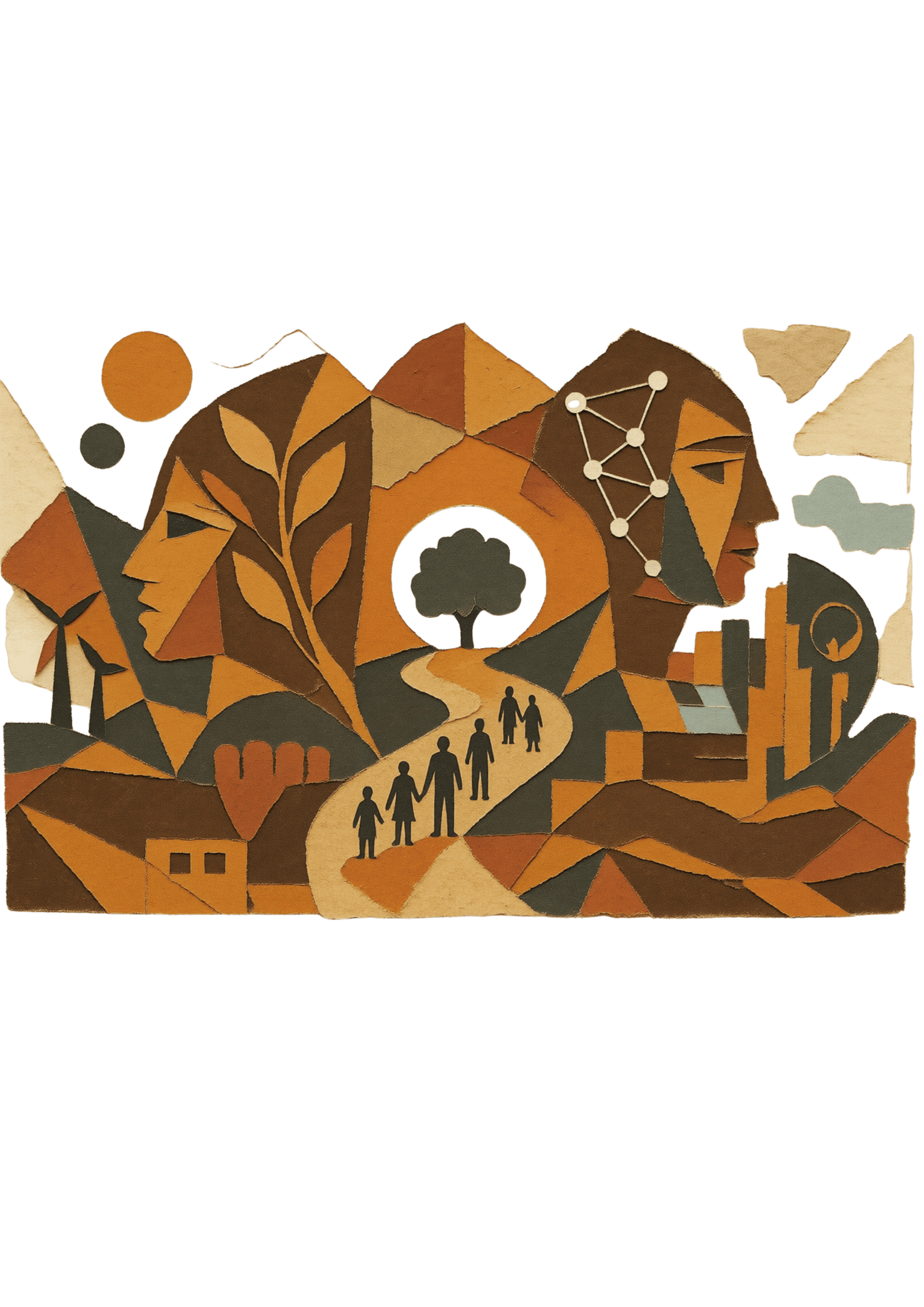
As the 2030 deadline for the UN Sustainable Development Goals approaches, the global development framework stands at a critical juncture. The SDGs have mobilised resources around pillars such as poverty reduction, good health, and reduced inequalities, yet localised healthcare disparities expose the structural limits of top down paradigms. This article examines that legacy through the lens of specialised healthcare, focusing on the cleft lip and palate care programmes led by the EBMA Foundation across India. Millions of children born with cleft conditions face compounding deprivations spanning nutrition, social stigma, and institutional exclusion, evidence that medical intervention must be intrinsically linked to social equity. Beyond 2030, this article proposes a shift from volume driven metrics to localised, equity centred 'Dignity Metrics'. Drawing on EBMA's Smile for Life surgical missions, its Poshan Prabal nutrition framework, and its community led awareness campaigns, it argues that grassroots micro interventions can serve as blueprints for macro level transformation, one where progress is measured not by survival alone, but by the restoration of human dignity and full social inclusion.
The Imperative of Re-evaluation
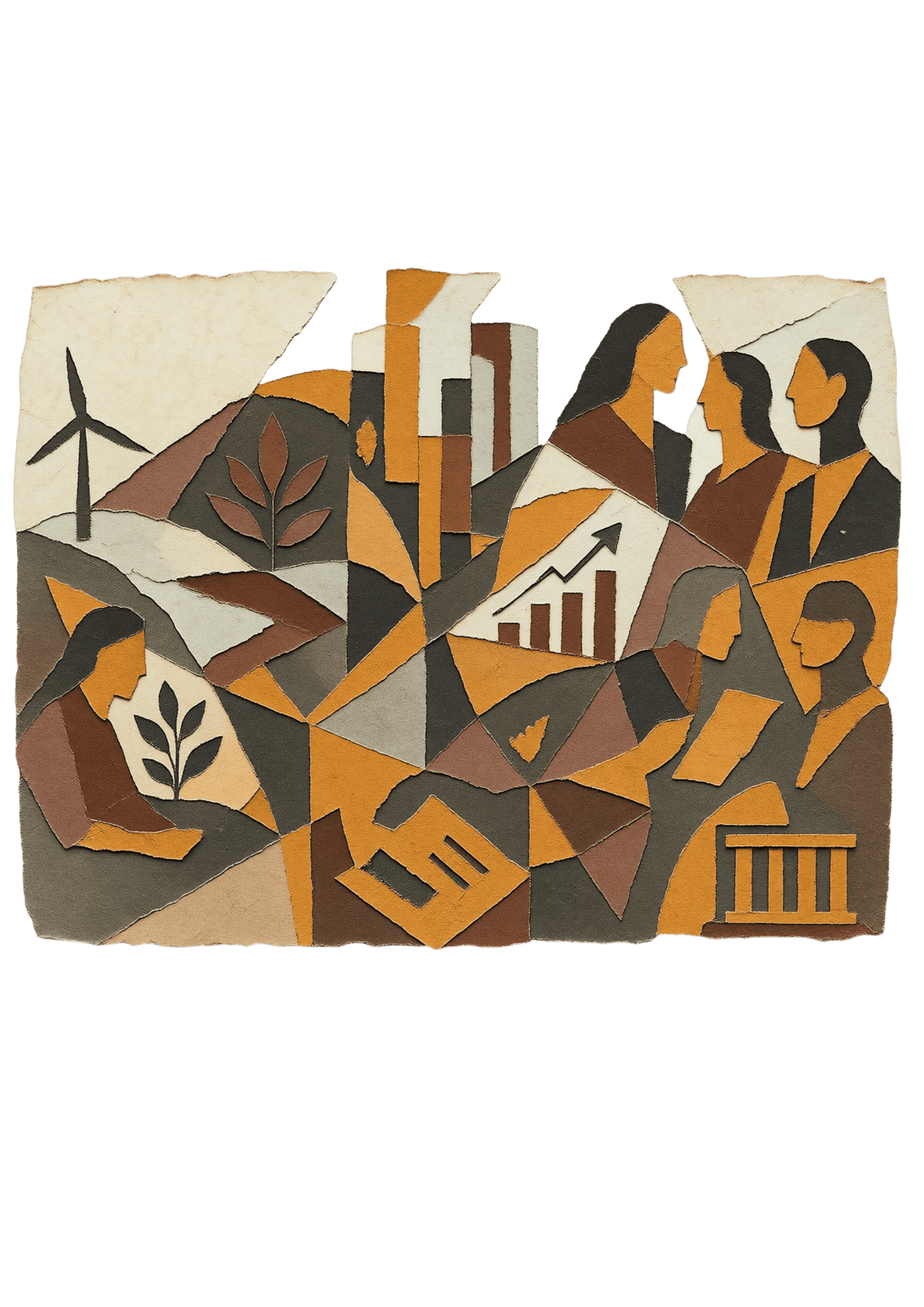
The impending 2030 deadline for the UN Sustainable Development Goals presents a profound paradox. The global community has rallied around macro level targets, creating unprecedented institutional focus on poverty eradication, quality education, and health equity. Yet the realisation of these targets remains structurally uneven: aggregate national data often registers positive trends even as grassroots realities tell a more fragmented story. As we look beyond 2030, the central challenge shifts from basic access to systemic inclusion. It is no longer enough to build general clinics. Specialised, life transforming healthcare must reach the deepest socioeconomic margins of society.
The Crucible of Specialised Healthcare: Cleft Care and the SDGs
Cleft lip and palate care is a poignant case in point. In India alone, over 35,000 children are born annually with cleft conditions, and they do not suffer merely from an isolated anatomical variance. A cleft condition threatens child survival through severe feeding difficulties, resulting in acute malnutrition, a direct indicator of SDG 2 (Zero Hunger). Social stigma and ostracisation strip these children of their psychological wellbeing, drive them out of classrooms, and entrench their families in intergenerational poverty, implicating SDG 1 (No Poverty), SDG 4 (Quality Education), and SDG 10 (Reduced Inequalities).
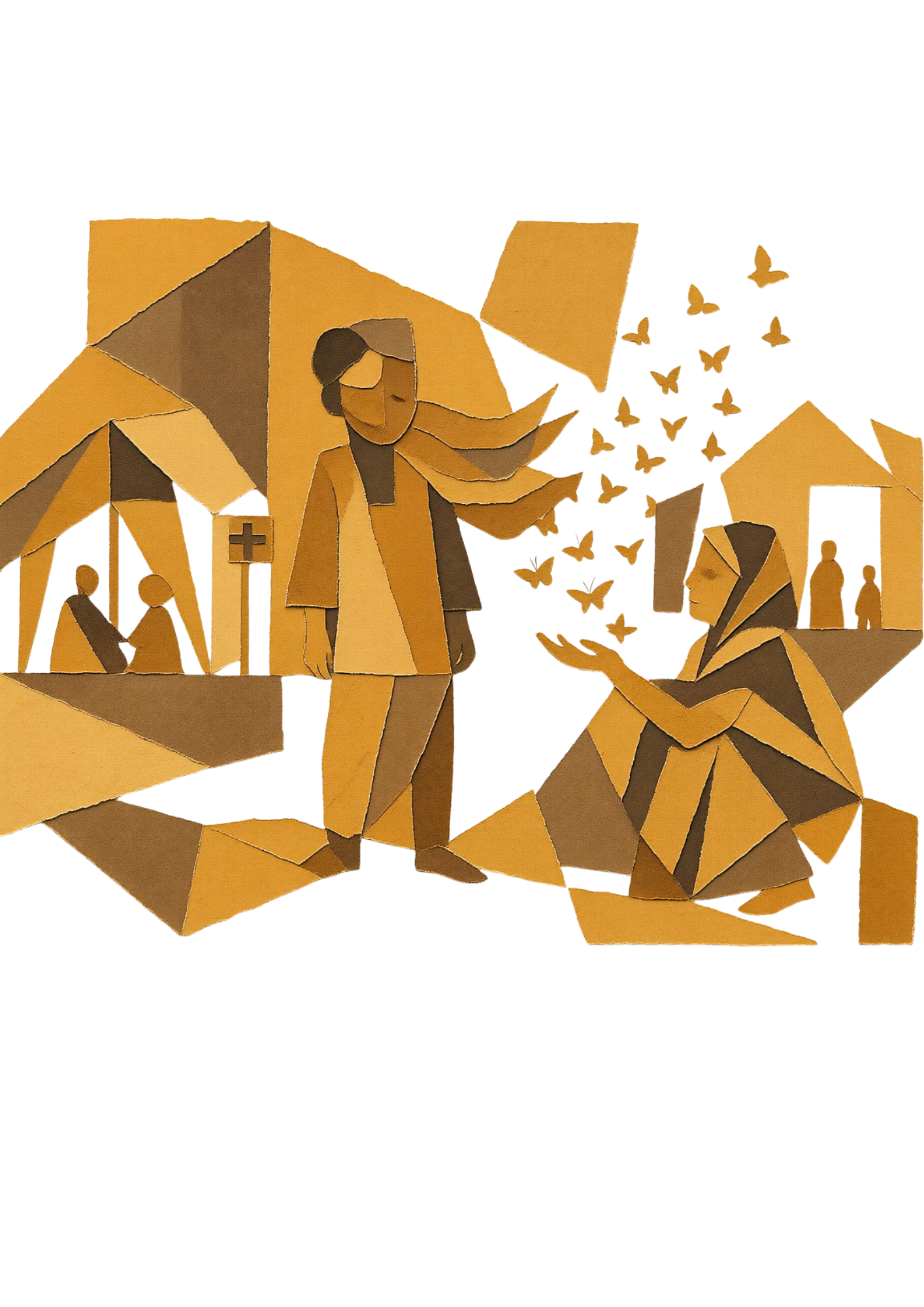
The EBMA Foundation's interventions show how specialised healthcare can serve as a critical axis for achieving these overlapping goals in Eastern India. Through its flagship Smile for Life surgical missions, the Foundation provides free, high quality corrective surgeries that transform a child's reality in under an hour. But the legacy of the SDGs has taught us that isolated surgical procedures cannot guarantee sustainable development on their own. EBMA's model therefore builds a holistic ecosystem around the surgery: the Poshan Prabal programme provides nutritional counselling and stabilisation before and after the operation, while dental health outreach closes gaps in rural oral hygiene. Treating the whole child, not just the cleft, is what makes health equity possible.
Decentralisation and Local Knowledge as Post-2030 Catalysts
What comes after 2030 must be defined by radical decentralisation and the elevation of local knowledge. Top down funding and implementation pipelines routinely overlook the cultural nuances that shape healthcare seeking behaviour. In many underserved communities, deep seated superstition frames cleft conditions as a curse, and families hide affected children from public view. No macroeconomic policy can dismantle that psychological barrier from a distance. It takes localised civil society actors, trusted community volunteers, and peer to peer advocacy.
EBMA addresses this through structured outreach and community based screening camps, partnering with local healthcare workers, volunteers, medical professionals, and corporate organisations such as Muthoot Finance Limited and the Free To Smile Foundation to build regional capacity and institutional trust. This is SDG 17 (Partnerships for the Goals) in practice, and it points to a post-2030 era that prioritises horizontal collaboration over vertical mandate. Training local hospital staff builds an enduring healthcare infrastructure that outlasts any single mission. The future belongs to these responsive, community embedded networks, ones that turn passive recipients into active participants in their own welfare.
From Volume to Dignity: Measuring Real Progress
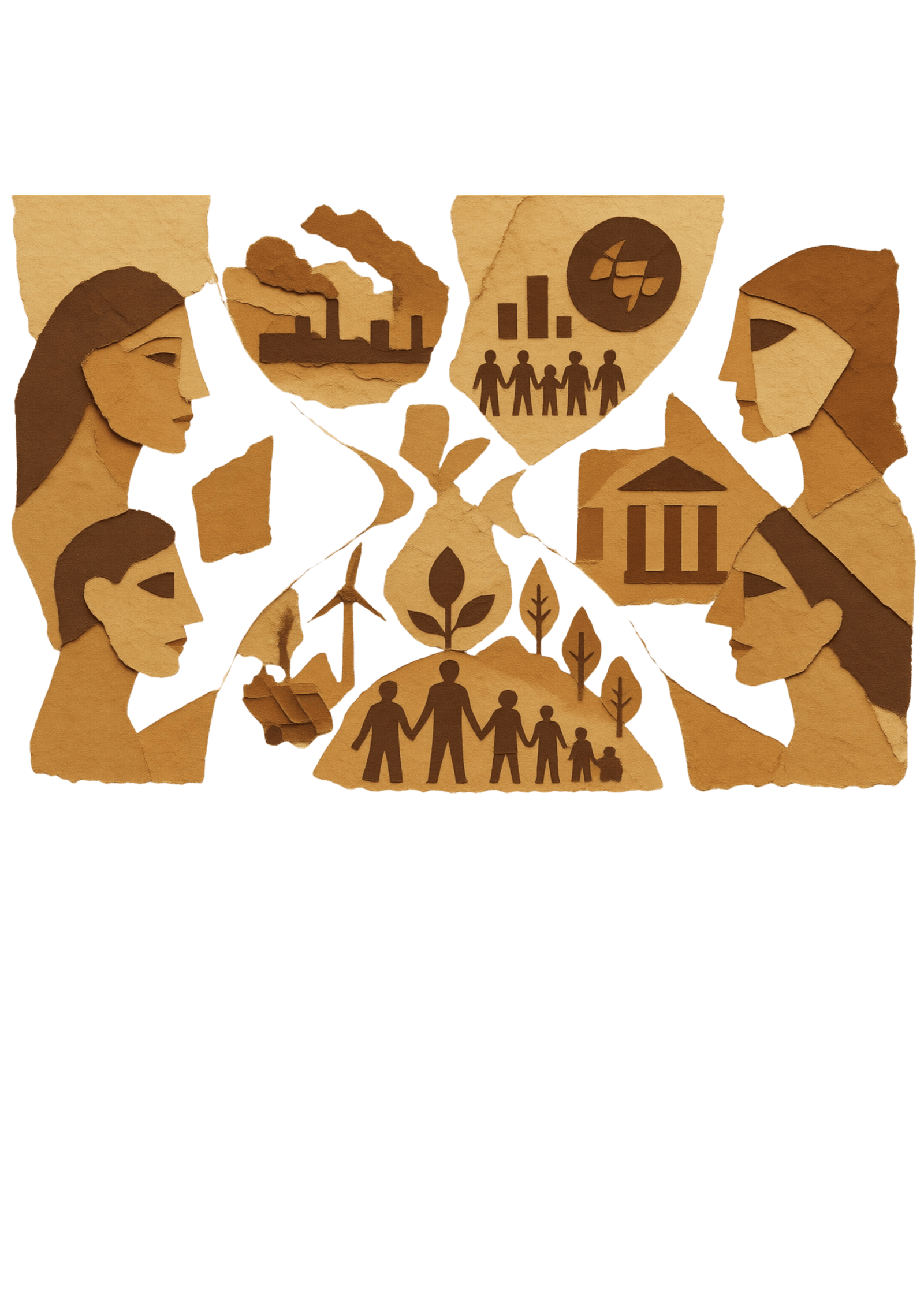
How should progress be measured in an increasingly complex post-2030 world? The last decade's metrics have been heavily volume driven: hospitals built, patients treated, beneficiaries served, vaccines administered. Moving forward, the global community must transition toward 'Dignity Metrics,' qualitative indicators of equity. In cleft care, success is not the surgical closure of a physical gap but the social, educational, and economic reintegration of the child: an unhindered childhood free of ostracisation, a return to school, a mother re-accepted into her community, an adult securing dignified livelihood (SDG 10: Reduced Inequalities).
The future of development is an act of co-creation. The legacy of the SDGs will be carried forward not by waiting for a centralised post-2030 declaration, but by scaling proven, grassroots models that place human dignity at their core. Organisations like EBMA are already forging that path. True development ensures that the most vulnerable among us are given the tools, the care, and the structural equity to smile, thrive, and participate fully in our shared future.